
What butcher block is
Wikipedia's butcher block article describes a butcher block as a heavy-duty chopping block, usually laminated or made of hardwood. The term also refers to the style of a traditional block adapted for other uses, such as table tops, cutting boards and kitchen counters.
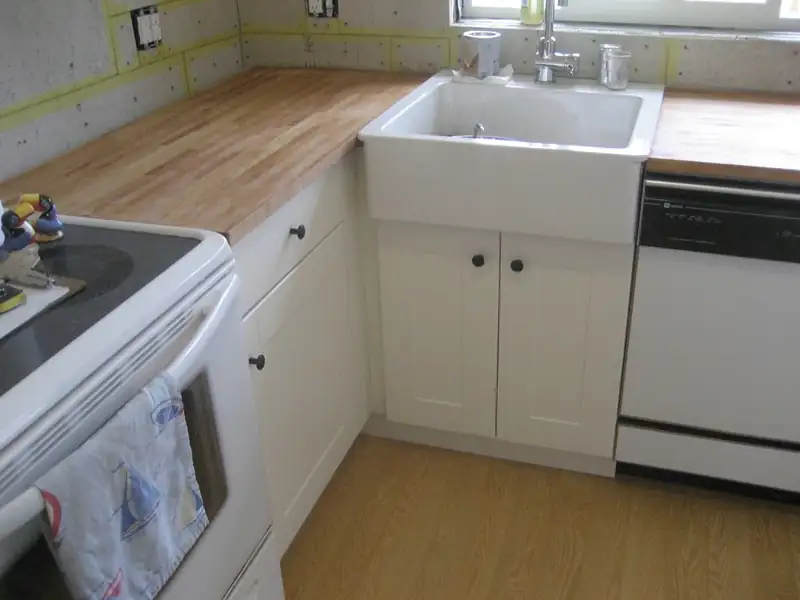
A butcher block counter is made from strips of solid wood glued together side by side into a wide slab. Because it is wood all the way through, it can be sanded and refinished, which is one of the main differences from stone or laminate.
From butcher shops to home kitchens
The same article says butcher blocks have been used in butcher shops for centuries, are still common in many European countries, and were traditionally made of hard maple. Today a version of butcher block is popular in home kitchens as an alternative to stone and laminate counters.
Wikipedia also notes that many furniture and hardwood flooring makers now produce butcher block counters, partly because they can be made from leftover wood that would otherwise be thrown away. That history is part of the appeal: it is a working surface with roots in a working trade.
Edge grain and end grain
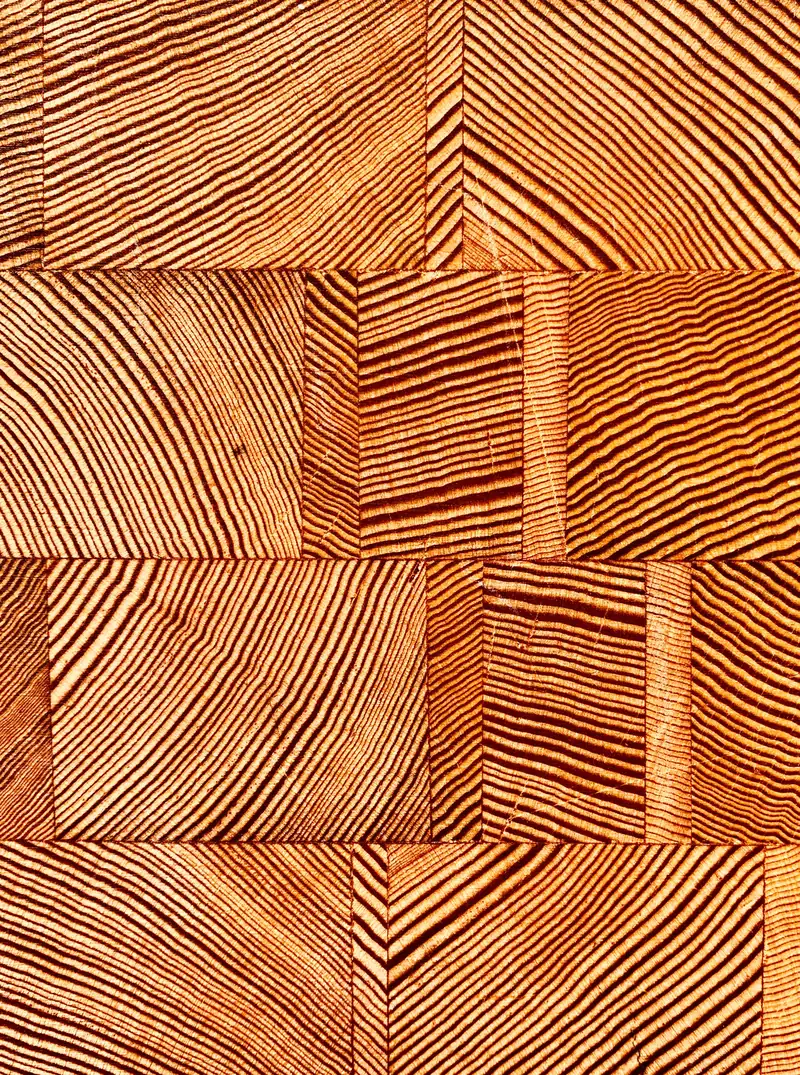
Wikipedia describes two basic styles of butcher block: edge grain and end grain.
Edge grain is made from long strips set on their edges, so you see long lines of wood running the length of the counter. It is the style most counters use, and it gives a clean, linear look.
End grain is built from short blocks set with the ends of the wood fibers facing up, which creates a checkerboard pattern. It is the classic chopping-block style and is often used for cutting boards or a small prep area on an island rather than a full run of counter.

Wood choices
Hard maple is the traditional butcher block wood, per Wikipedia, which also lists teak, birch and walnut as popular choices, sometimes in alternating patterns.
Maple is light and even. Birch is similar and a little softer. Walnut is a rich chocolate brown that pairs well with white or green cabinets. Teak is golden and naturally oily. Oak and cherry are also sold as butcher block.
Wood changes color with light and age, so the shade on the sample is a starting point. Ask the supplier how the species you like tends to change over time.
Oil, wax or a sealed finish
Butcher block is finished one of two broad ways. A penetrating oil soaks into the wood and leaves a natural, matte look; it is usually reapplied from time to time and suits a counter you plan to cut on or touch up often.
A film finish, such as a varnish, forms a harder coat on top that resists water better but is not meant to be cut on and is harder to spot-repair.
Which one is right depends on how you use the counter. Ask the maker what they recommend for the product and follow their care directions, especially for any area that will touch food.
Water, heat and scratches
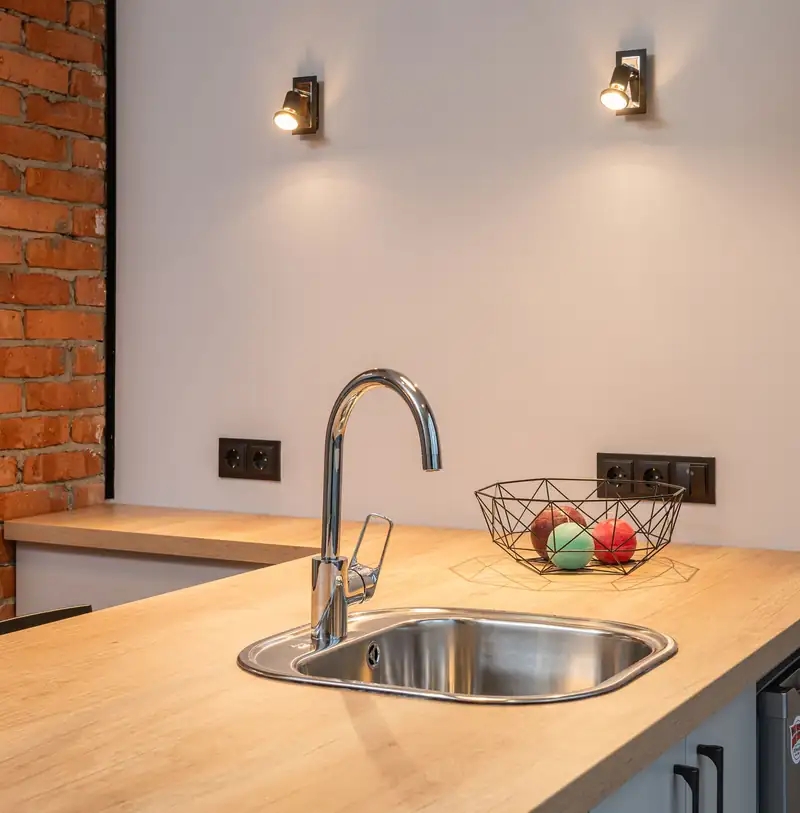
Wood and standing water do not mix. Wipe up spills, keep a dish mat by the sink, and pay extra attention to the area around an undermount or farmhouse sink, where water collects.
Hot pans can scorch wood, so trivets are a must. Knife marks and small dents will happen over time. Some people like that worn-in look; others sand and refinish an area when it gets too rough.
Many kitchens mix materials for this reason: butcher block on an island or a baking area, and stone or quartz around the sink and range.
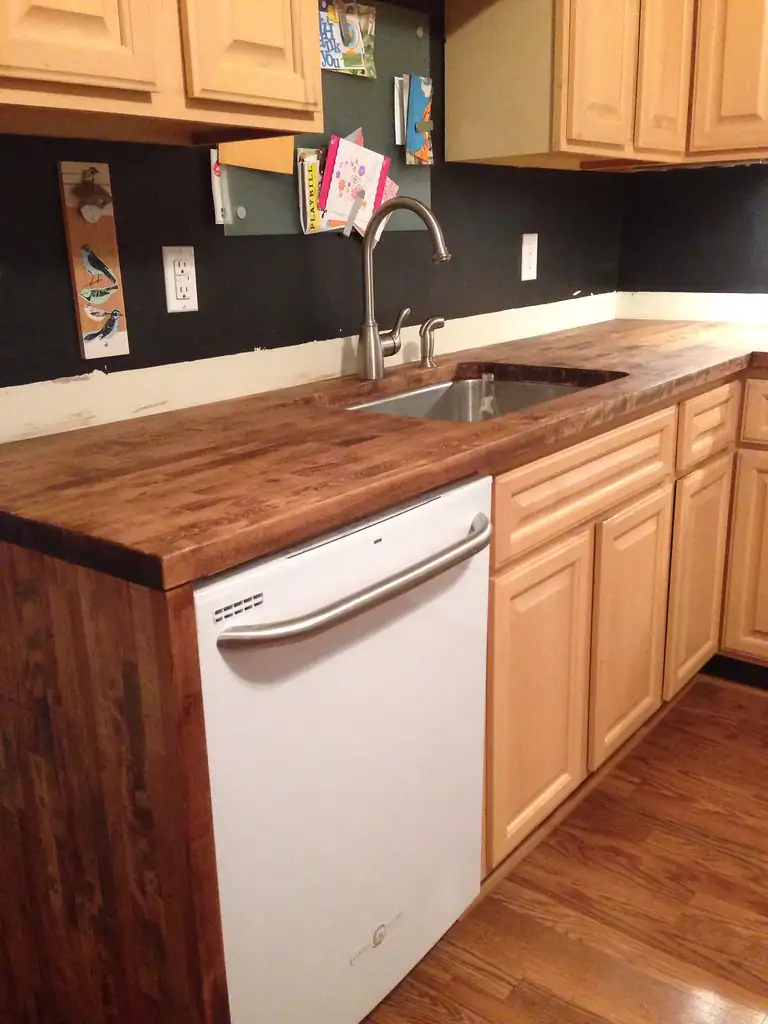
Keep raw meat on a separate cutting board rather than straight on the counter, and clean the surface with mild soap and warm water. Ask the maker which cleaners are safe for the finish on your top.
Styles it suits
Butcher block looks at home in farmhouse, cottage and craftsman kitchens, and it warms up an all-white kitchen. It also pairs well with handmade-look tile; see zellige backsplash ideas and subway vs handmade tile for ideas behind a wood counter.
Painted cabinets in sage, navy or cream are a common match. For paint finishes on cabinets and trim, see semi-gloss vs satin paint.
Where the counter fits in a remodel
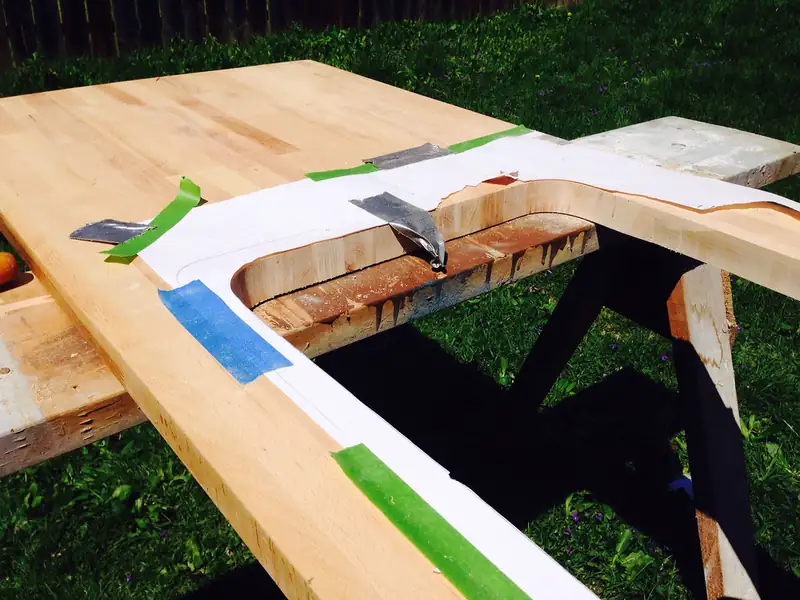
As with any counter, the cabinets go in first and the sink and faucet are chosen before the top is cut. Wood counters are often cut and finished from a slab rather than templated like stone, so plan the sink style early. Our small kitchen refresh guide talks through what changes when you swap counters without moving cabinets.
For whole-room planning, see kitchen remodeling and the local pages for kitchen remodels in Alhambra and cabinet replacement in Temple City.
Butcher block next to stone
Compared with granite or quartz, butcher block is softer and needs more regular care, but it is warmer to the touch, quieter when you set things down, and can be refinished instead of replaced when it wears.
If you love the look but worry about the sink area, a mixed kitchen is a practical answer: wood where you prep and gather, stone where the water is.
Wood also works as a contrast surface. A walnut island in a kitchen with white stone perimeter counters, or a maple baking station beside a dark granite run, can make a room feel layered rather than matched. Keep the edge profiles similar so the two tops look planned together.
Whatever you choose, look at a real sample in your own kitchen light, next to a cabinet door and the floor. Wood tones shift a lot between a showroom and a home, and a counter that seems too orange or too pale on its own can look right once it sits with everything else in the room.
More materials and styles
- Sage, terracotta and deep blue cabinets
- Granite countertops
- LVP vs tile flooring
- Victorian tile
- Basketweave tile
- Mosaic tile
- Quarry tile
- Stacked stone
- Hexagon tile
- Terrazzo tile
- Herringbone tile
- Backsplash tile ideas
- Shower tile ideas
- Quartz countertops
- Spanish tile bathroom
- Saltillo tile
- Zellige tile backsplash
- Talavera tile
- Cement tile bathroom floor
- Terracotta tile floors
- Bathroom color trends
- Porcelain wood-look tile
- Subway tile vs handmade tile
- Porcelain vs ceramic tile
- LVP vs laminate flooring
- Semi-gloss vs satin paint
- MDF vs wood trim
- Natural stone and marble bathroom tile
- Grout types: cement, epoxy, urethane
Planning the whole room? Read our remodel guides, starting with how to choose bathroom tile.