
What terracotta is
The word means "baked earth." Wikipedia describes terracotta as a clay-based, non-vitreous ceramic fired at relatively low temperatures. Low firing keeps the clay porous and gives it the familiar red, orange and brown tones.
Saltillo is one well-known type of terracotta tile from Mexico; our Saltillo tile page covers it in detail. Terracotta floor tile is also made in Italy, Spain and elsewhere, in shapes from squares and rectangles to hexagons and interlocking patterns.
Because it is porous, real terracotta absorbs water and stains unless sealed. That is the main trade-off for its warmth and character.
Historic houses vs today's terracotta
Clay floors and red tile roofs are part of the Spanish Colonial Revival look, which Wikipedia notes appeared early in California, where it is sometimes called the Early California Style. Many older San Gabriel Valley houses have Spanish-style details, and terracotta floors fit them naturally.
Today's take on terracotta is a little lighter. Instead of dark, glossy-sealed floors, many owners want a matte finish, paler peach or sand tones, and simpler white walls. Paired with sage or olive cabinetry, light oak and black or brass hardware, terracotta reads fresh rather than dated.
In a mid-century ranch, a terracotta-look floor can warm up a plain room, especially in an entry or a kitchen that opens to the yard.
Real clay vs porcelain look
Real terracotta has depth and variation that are hard to copy. It needs sealing at installation and periodic resealing, and acidic spills can mark it. Over time it develops a patina many owners love.
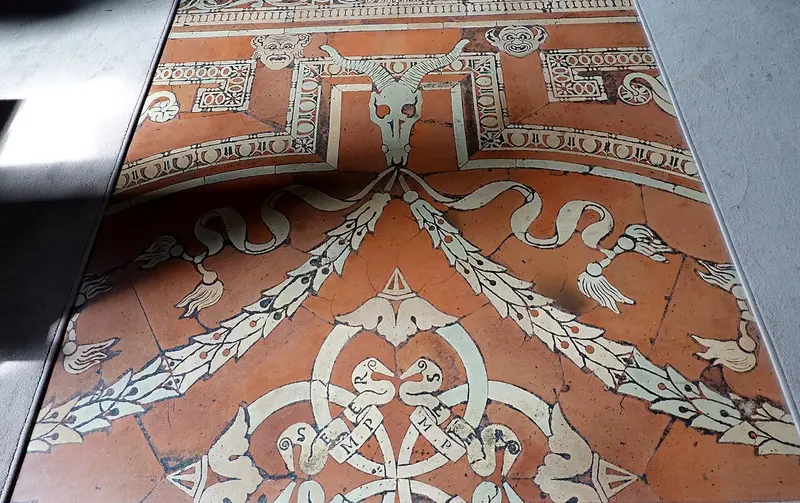

Porcelain terracotta-look tile is dense and much less porous, so it suits bathrooms, showers and busy kitchens. Good versions copy the color shifts and soft edges. It is a practical way to get the look in wet areas.
Mixing works well: real clay in a living room or entry, and a matching porcelain look in the kitchen and bath.
Where terracotta works
Entries and hallways are classic spots; they connect indoors and outdoors. Kitchens can take sealed terracotta or a porcelain look, and our Temple City kitchen page shows how it fits a modest house.
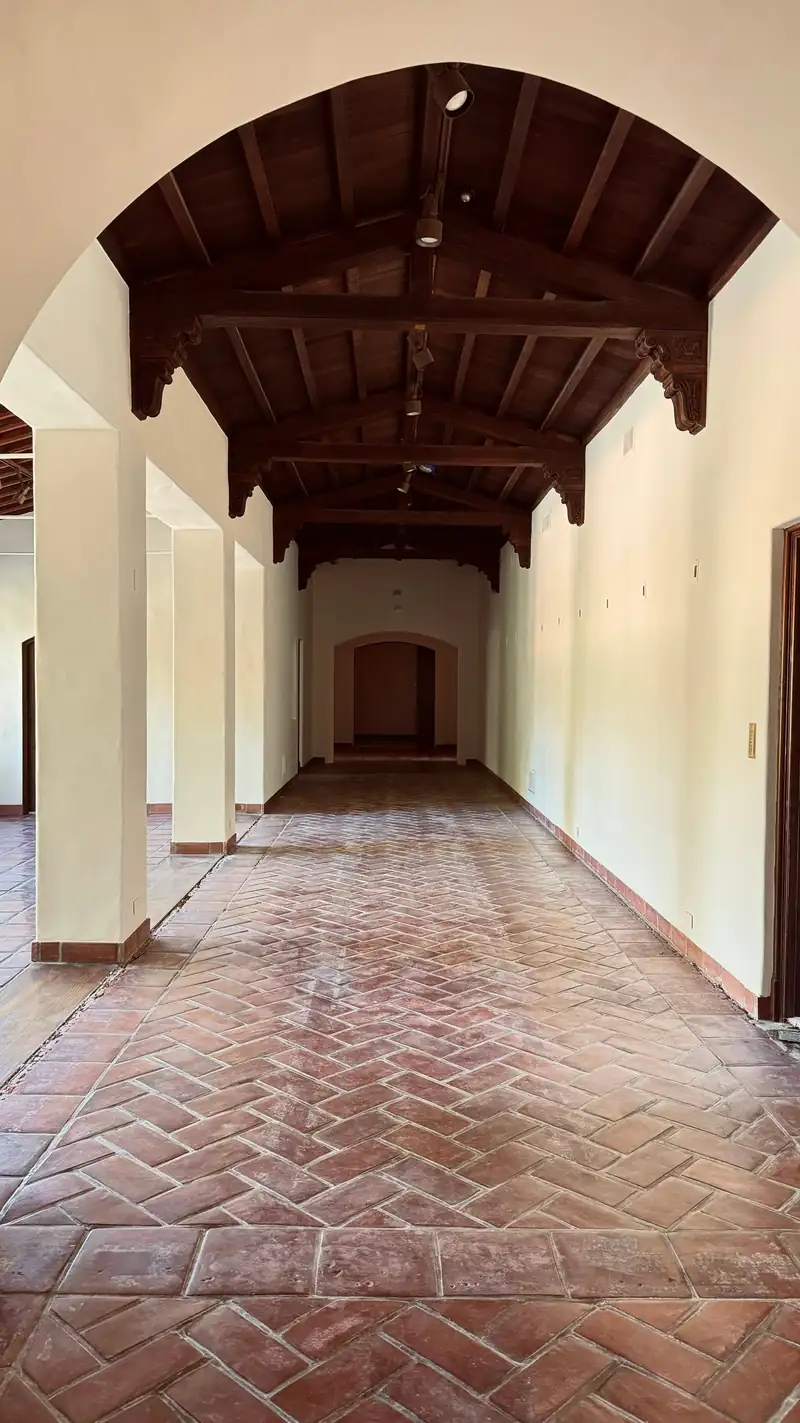
Bathrooms usually get porcelain inside the shower and either real or porcelain terracotta on the main floor. Our Alhambra tub-to-shower page and Spanish tile bathroom page show combinations.
Covered patios are another natural fit, though outdoor use needs tile rated for it.
Colors and pairings
Terracotta pairs beautifully with green.
- Sage and olive cabinets or walls look like they belong next to clay.
- Deep blue and teal tile in a shower make the orange glow.
- Cream and warm white keep the room bright.
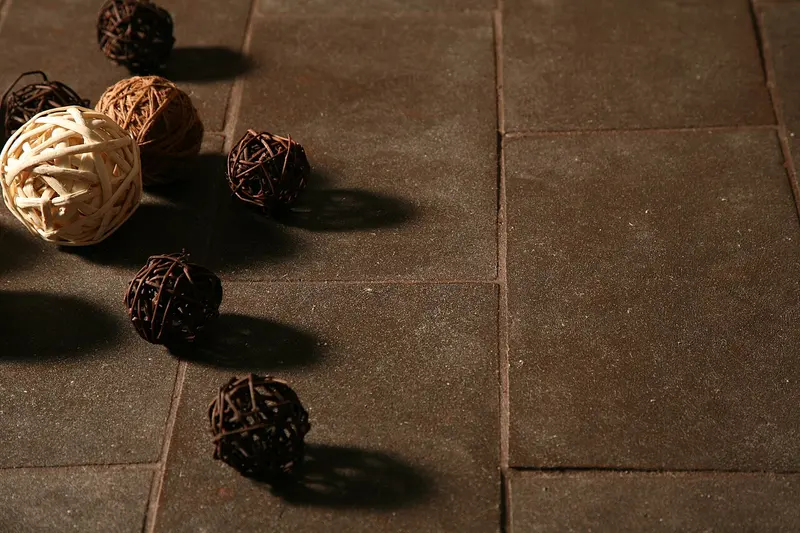

Painted accent tile is a classic partner; see the Talavera tile page. For color schemes across the whole bathroom, see bathroom color trends.
Grout color shapes the feel. Sand-colored grout blends for a quiet floor; a lighter grout outlines each tile for a more traditional pattern.
Installation
Clay tile needs a flat, solid base and grout joints sized to its edges. We seal before grouting so the grout does not stain the clay, then seal again after. We follow the maker's directions for the specific tile.
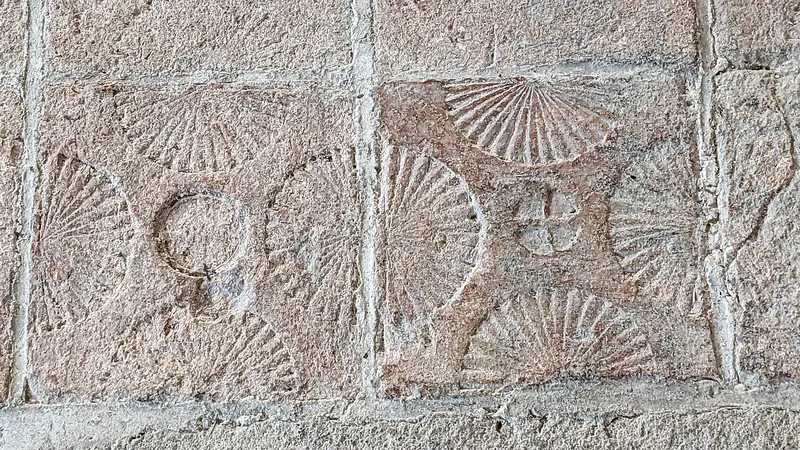

Terracotta can be thicker than other flooring. We plan height changes at doorways so transitions are small and neat.
Care
- Sweep often, since grit wears the surface.
- Clean with pH-neutral cleaners.
- Reseal when water stops beading on the surface.
- Wipe up acidic spills like vinegar, citrus or wine quickly.
Small chips and wear tend to blend into clay's natural texture rather than stand out. Keep a few spare tiles in case one ever needs replacing.
Is terracotta right for you?
Choose real clay if you love character and do not mind some upkeep. Choose a porcelain look if you want the color with minimal care, or if the floor is in a wet area.
Either way, we bring samples to a free estimate so you can see them in your own light. See flooring and bathroom remodeling.
Shapes and layouts
Squares laid in a straight grid are the simplest and most traditional. Rectangles in a running bond or herringbone add movement. Hexagons and elongated hexes feel a little more decorative.
Interlocking shapes, such as the curved Provenzal or Arabesque-style pieces, give a strong Mediterranean look but need more careful cutting at the walls.
Small inset tiles, called dots or taco tiles, set at the corners of larger squares are a classic way to bring in a second color, often blue or green painted tile.
Underfloor heating
Tile floors work well over electric radiant mats, which take the chill off a bathroom floor on winter mornings. If you are interested, mention it at the estimate so the mat and its thermostat can be planned with the floor and an electrician can handle the circuit.
Ordering enough
Order extra tile for cuts and breakage, and more for handmade clay, which varies piece to piece. Keep leftovers stored dry for future repairs, since later batches rarely match exactly. Label the box with the tile name and batch number so a future repair is easy to source.
More materials and styles
- Sage, terracotta and deep blue cabinets
- Granite countertops
- Butcher block countertops
- LVP vs tile flooring
- Victorian tile
- Basketweave tile
- Mosaic tile
- Quarry tile
- Stacked stone
- Hexagon tile
- Terrazzo tile
- Herringbone tile
- Backsplash tile ideas
- Shower tile ideas
- Quartz countertops
- Spanish tile bathroom
- Saltillo tile
- Zellige tile backsplash
- Talavera tile
- Cement tile bathroom floor
- Bathroom color trends
- Porcelain wood-look tile
- Subway tile vs handmade tile
- Porcelain vs ceramic tile
- LVP vs laminate flooring
- Semi-gloss vs satin paint
- MDF vs wood trim
- Natural stone and marble bathroom tile
- Grout types: cement, epoxy, urethane
Planning the whole room? Read our remodel guides, starting with how to choose bathroom tile.