
What grout does
Wikipedia describes grout as a dense material that flows like a liquid and then hardens, and says household grout is generally a mixture of water, cement and sand. Correctly mixed and applied, the article notes, it forms a water-resistant seal between tiles.
Grout is not caulk. The same article explains that caulk stays flexible after curing, while cement grout hardens. That is why corners and changes of plane usually get caulk, not grout.
Cement grout
Cement grout is the classic and most common type. Wikipedia notes Portland cement is the most common binder, and that tile grout comes in sanded and unsanded types, often improved with polymers or latex.
It is easy to work, comes in many colors and is forgiving to install. It is also porous, so it can absorb stains, and many cement grouts are sealed.
Sanded vs unsanded
Wikipedia says sanded grout contains fine silica sand, while unsanded grout is finer and leaves a smoother surface. Sanded is generally used for wider joints and floors; unsanded for thin joints.
Unsanded is also a common pick for polished stone and glass tile, since sand can scratch soft or glossy faces. Check the tile maker first.
Epoxy grout
Epoxy grout uses an epoxy resin instead of cement. Wikipedia describes epoxies as resins that cure with a hardener into a polymer with high chemical resistance.
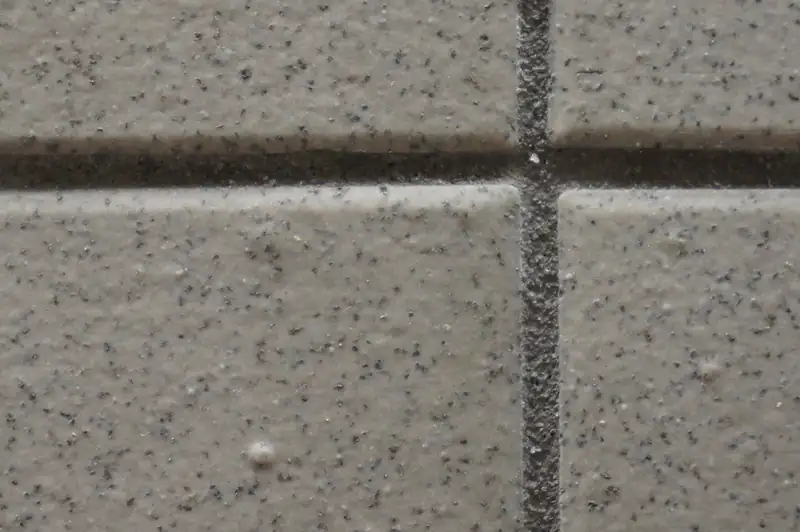
In grout, that means very low absorption and strong stain resistance, so it usually needs no sealing. It is a common choice for shower floors, kitchen counters and busy floors.
The trade-off is installation: it is stickier, sets faster and must be cleaned off the tile face carefully before it hardens. Not every tile suits it, so check the tile maker.
Comparing the three
Cement: easiest to install, most colors, porous, usually sealed. Epoxy: most stain and chemical resistant, hardest to install, no sealer. Urethane: pre-mixed, stain resistant, easier than epoxy, needs careful curing.
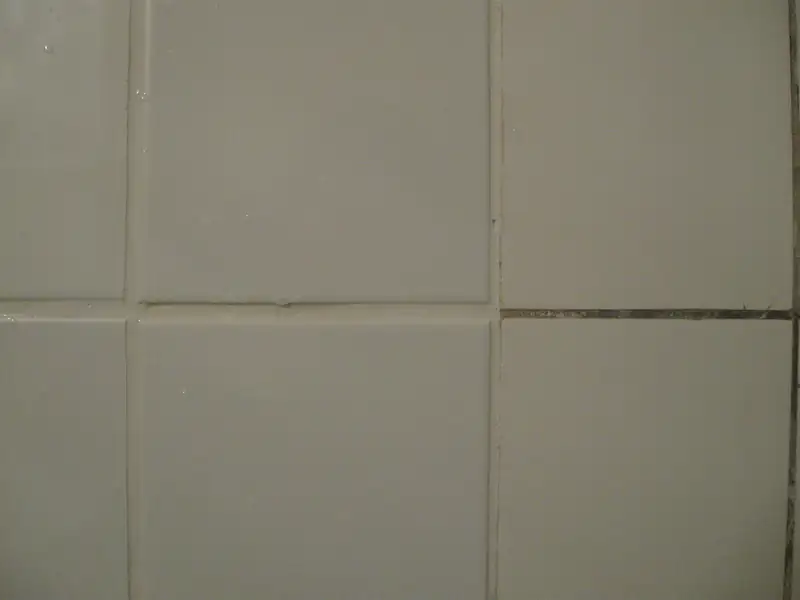

Wikipedia also lists cement grout classes for extra properties, such as reduced water absorption and high abrasion resistance, so even within cement grout there are better and basic grades.
Urethane grout
Urethane grout is a pre-mixed resin grout. Wikipedia describes polyurethanes as a broad family of polymers used in coatings and adhesives, among many other things.
Urethane grout comes ready to use, resists stains well and generally needs no sealing. It tends to be easier to work than epoxy and has some flex. It can need more care during curing, so follow the label closely.
Color
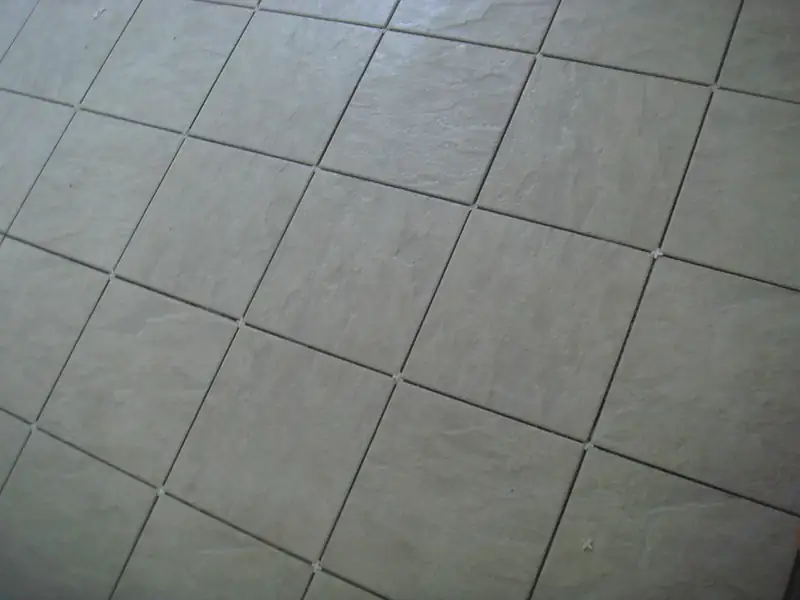
Matching grout makes tile read as one surface; contrasting grout outlines every tile. Mid-tone grays and warm beiges hide everyday dirt better than bright white on floors.
Resin grouts generally hold their color more evenly than cement, which can dry lighter or darker in spots. Look at a cured sample, not the color on a wet bucket.
Choosing by location
Common picks by place:
- epoxy or urethane on shower floors
- cement or urethane on shower walls
- cement on most backsplashes
- epoxy or a high-grade cement on busy floors
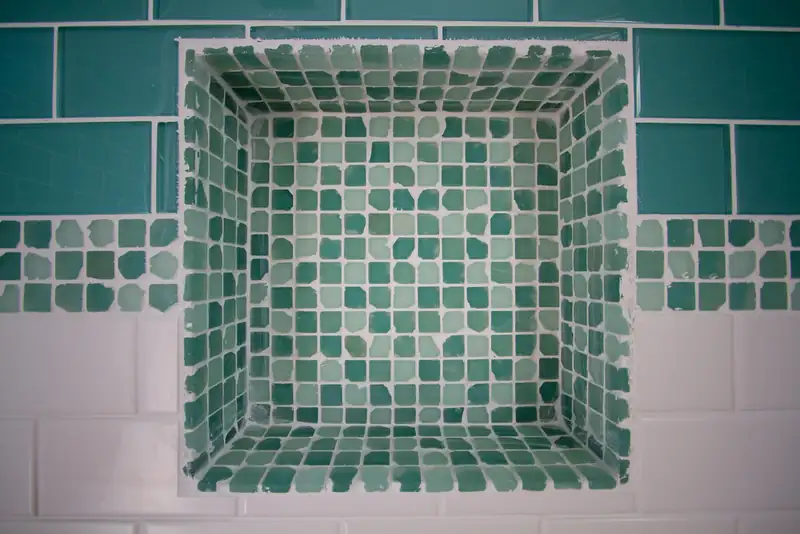
For stone, follow the stone supplier; see natural stone and marble tile. For tile choices, see porcelain vs ceramic and subway vs handmade tile.
Joint width
Joint width depends on the tile. Straight-edged porcelain can take a thin joint; handmade tile and stone with uneven edges need wider joints, which usually means sanded cement, epoxy or a urethane rated for that width.
Large tiles and tiles on floors that flex slightly also benefit from movement joints filled with flexible sealant, not grout, at walls and changes of plane.
Care
Wipe spills promptly and use a mild, pH-neutral cleaner. Harsh acids can wear cement grout and etch stone. Reseal cement grout when water starts to darken it.
Resin grouts mostly need regular cleaning. Any grout lasts longer with a fan running in the bathroom and a squeegee after showers.
Grout and tile pages
This page is about choosing grout for new tile. If existing grout is cracked or stained, see grout repair in Alhambra, Rosemead or San Gabriel.
For new tile work, see shower remodels in Monterey Park, backsplash installation in Alhambra and tile floors in Temple City.
More materials and styles
- Sage, terracotta and deep blue cabinets
- Granite countertops
- Butcher block countertops
- LVP vs tile flooring
- Victorian tile
- Basketweave tile
- Mosaic tile
- Quarry tile
- Stacked stone
- Hexagon tile
- Terrazzo tile
- Herringbone tile
- Backsplash tile ideas
- Shower tile ideas
- Quartz countertops
- Spanish tile bathroom
- Saltillo tile
- Zellige tile backsplash
- Talavera tile
- Cement tile bathroom floor
- Terracotta tile floors
- Bathroom color trends
- Porcelain wood-look tile
- Subway tile vs handmade tile
- Porcelain vs ceramic tile
- LVP vs laminate flooring
- Semi-gloss vs satin paint
- MDF vs wood trim
- Natural stone and marble bathroom tile
Planning the whole room? Read our remodel guides, starting with how to choose bathroom tile.