
What porcelain is
Wikipedia describes porcelain tiles as dense, vitrified ceramic tiles with water absorption under 0.5 percent, engineered through raw material selection, high-pressure shaping and high-temperature firing to nearly eliminate internal porosity.
That low absorption is why porcelain handles water so well. A wood-look porcelain plank has a printed wood grain on that dense body, often with texture pressed into the surface to match the grain.
The result looks like wood from standing height but cleans like tile and does not swell, cup or rot when wet.
Older homes vs the wood-look trend
Some older valley houses have wood floors in living areas and tile or sheet flooring in wet rooms. Wikipedia notes that historically tiles were much more often terracotta or stoneware than porcelain (source); dense porcelain floors are a newer option.
Wood-look porcelain lets you run a consistent plank look from a hall into a bathroom or kitchen, so the house feels connected instead of chopped into different floors.
Current favorites lean toward natural, light-to-mid oak tones and soft matte finishes rather than the dark, glossy looks of earlier years. Pair them with sage or olive vanities, white walls and black or brass fixtures. Treat these as design ideas, not rules.
Porcelain vs real wood vs vinyl plank
Real wood is warm and can be refinished, but it does not belong in a bathroom or under a constant splash zone.
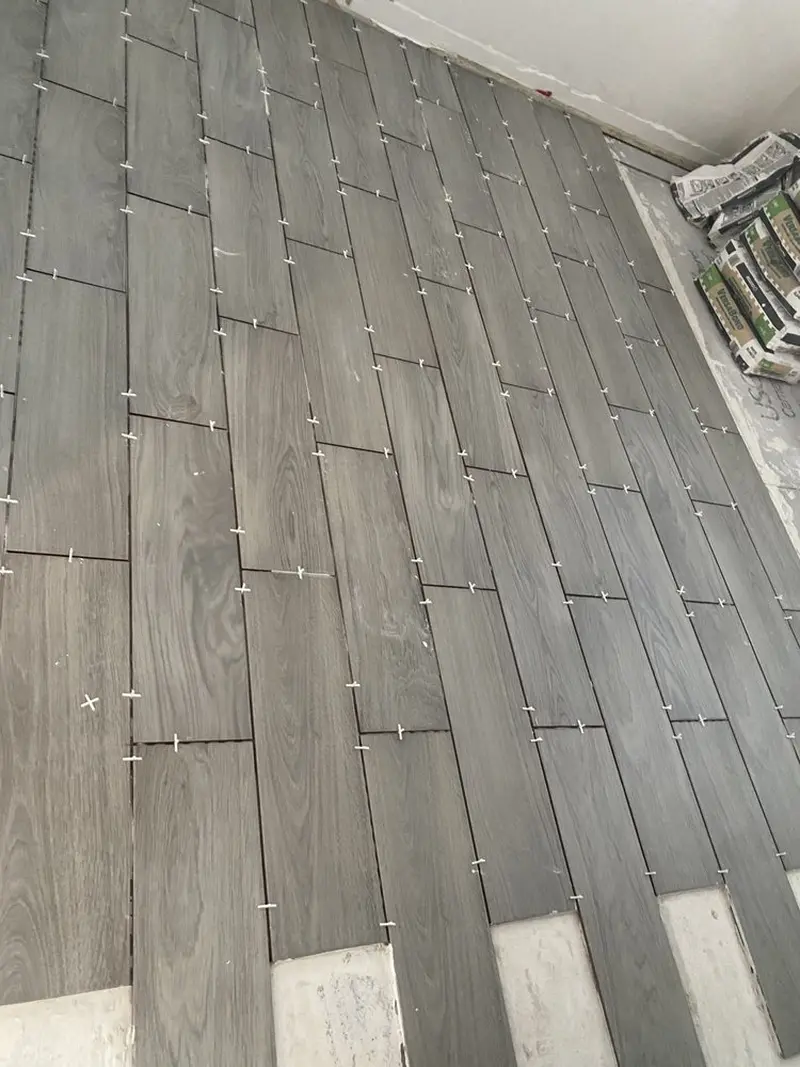
Luxury vinyl plank is softer and quieter underfoot and installs quickly, but it can dent and is less heat-resistant. It is a good option in many living spaces.
Porcelain is the hardest and most water-resistant of the three. It is colder and harder underfoot, and it is the best choice where water is a daily fact, such as bathrooms and laundry rooms.
Plank sizes and layouts
Common plank sizes range from narrow strips to long, wide planks. Longer planks look more like real wood but need a very flat floor to avoid edges that sit higher than their neighbors (lippage).
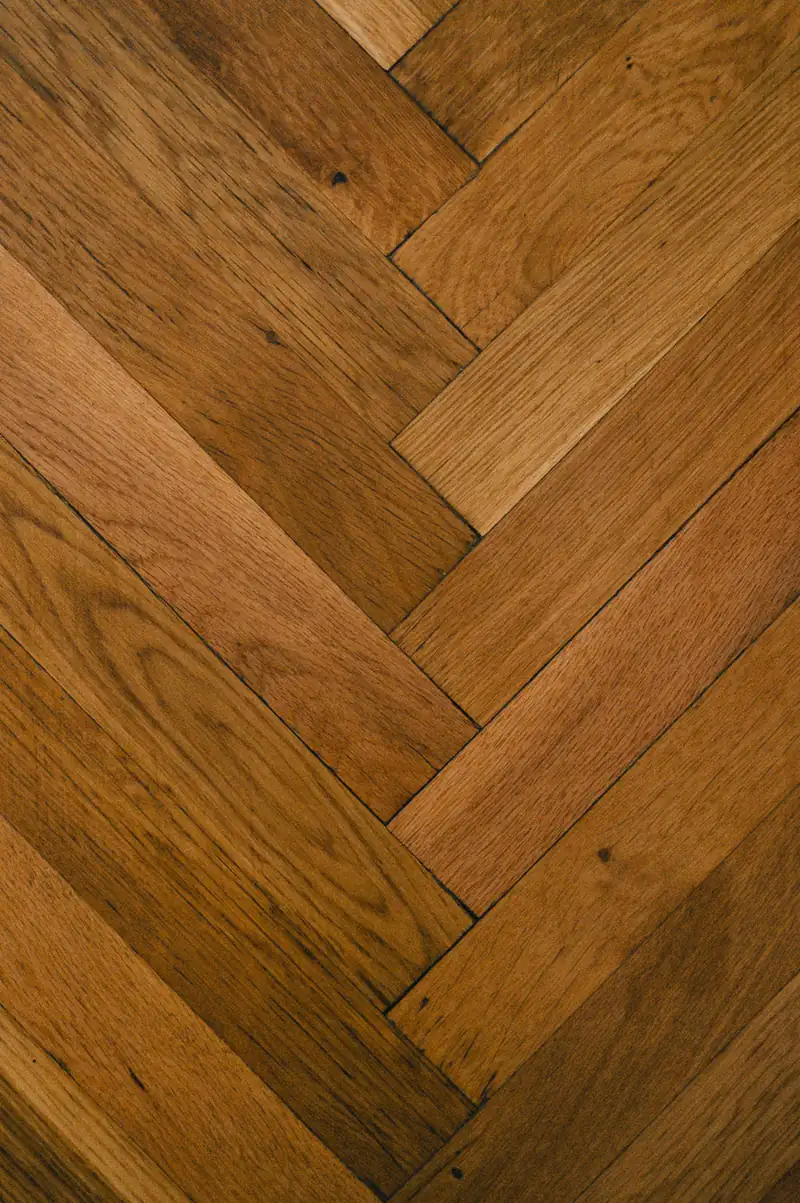
A random offset pattern looks most natural. Avoid a regular half-offset on long planks; it can cause lippage and looks less like wood. A herringbone or chevron pattern in wood-look porcelain makes a strong statement in an entry or bathroom.
Running planks the long way in a narrow room makes it feel longer; running them across makes it feel wider.
Grout and finish details
Narrow grout joints in a color close to the plank make the floor read as continuous wood. A contrasting grout emphasizes each plank and looks more like tile.
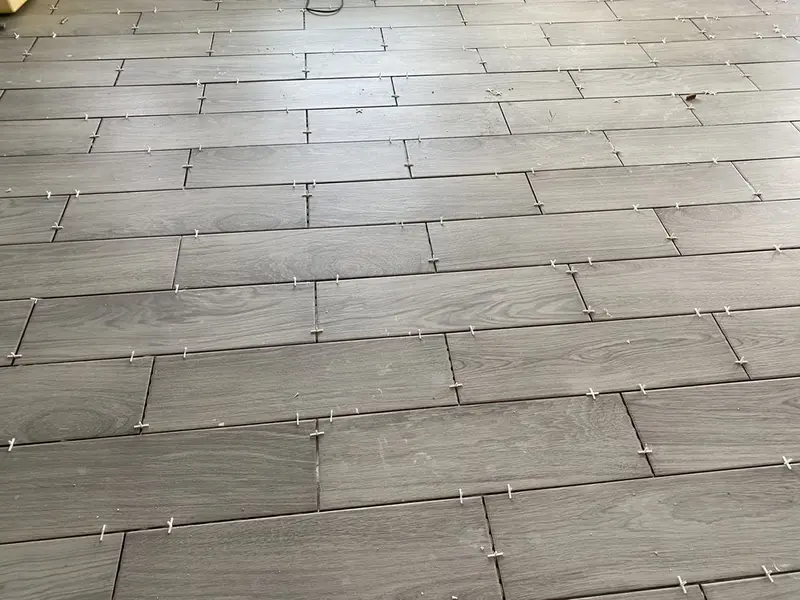
Look for planks with variation between pieces. Too few unique faces and the same knot shows up over and over. Mixing boxes during installation spreads the variation.
In showers and wet areas
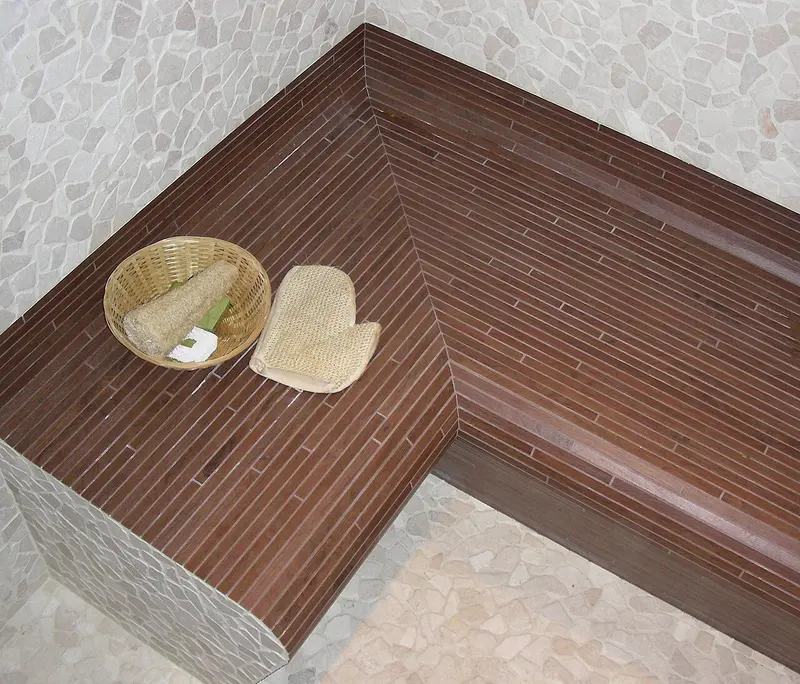
Wood-look porcelain can go on a shower wall for a spa-like feel. On a shower floor, a matte or textured version helps with grip, and a linear drain lets planks run uninterrupted. Waterproofing underneath matters as much as with any tile; see the pan guide.
For a conversion that uses it, see our Temple City tub-to-shower page.

Installation
Long planks need a flat substrate, the right setting material and leveling clips to keep edges even. We check the floor first and correct low spots before tile goes down.
Transitions to adjoining wood or carpet should be planned so heights match closely. See flooring for more on floor choices.
Care
Sweep and damp-mop with a neutral cleaner. Porcelain itself does not need sealing; some grouts benefit from a sealer. Felt pads under chairs protect the surface from grit.
Common search: does wood-look tile look fake?
It can if the planks repeat too often, the grout contrasts sharply, or the color is too uniform. Choosing a tile with many unique faces, a natural tone, tight grout joints and a random layout makes it far more convincing. Seeing a full box laid out before installation helps.
Next steps
Bring a sample of your hallway floor or cabinet color to a free estimate, and we will bring plank samples to compare. See bathroom remodeling and kitchen remodeling, or terracotta floors for a warmer alternative.
Choosing a tone for your home
- Light oak tones brighten small or north-facing rooms and pair well with white walls.
- Mid-brown planks hide everyday dirt and suit busy kitchens.
- Gray-washed planks look cool and modern but can feel cold next to warm cabinets.
Look at the plank color next to your cabinets, trim and any existing wood floor in the house. A tone that works with what stays will make the new floor look like it has always been there.
In houses with Spanish-style details, a warm, slightly reddish wood tone sits well with clay, iron and plaster.
Rooms where it works best
Bathrooms, laundry rooms, mudrooms and entries are ideal, since water and grit are a daily fact there. In kitchens it hides crumbs and handles spills. In bedrooms many owners prefer something softer, like real wood or vinyl, with rugs.
Common search: wood-look tile vs luxury vinyl in a bathroom
In a bathroom with a tub or shower, porcelain handles standing water and steam better over the long run. Vinyl is warmer underfoot and quicker to install. For a full bathroom remodel, most owners pick porcelain; for a powder room, vinyl is a reasonable choice.
More materials and styles
- Sage, terracotta and deep blue cabinets
- Granite countertops
- Butcher block countertops
- LVP vs tile flooring
- Victorian tile
- Basketweave tile
- Mosaic tile
- Quarry tile
- Stacked stone
- Hexagon tile
- Terrazzo tile
- Herringbone tile
- Backsplash tile ideas
- Shower tile ideas
- Quartz countertops
- Spanish tile bathroom
- Saltillo tile
- Zellige tile backsplash
- Talavera tile
- Cement tile bathroom floor
- Terracotta tile floors
- Bathroom color trends
- Subway tile vs handmade tile
- Porcelain vs ceramic tile
- LVP vs laminate flooring
- Semi-gloss vs satin paint
- MDF vs wood trim
- Natural stone and marble bathroom tile
- Grout types: cement, epoxy, urethane
Planning the whole room? Read our remodel guides, starting with how to choose bathroom tile.