
What Talavera is
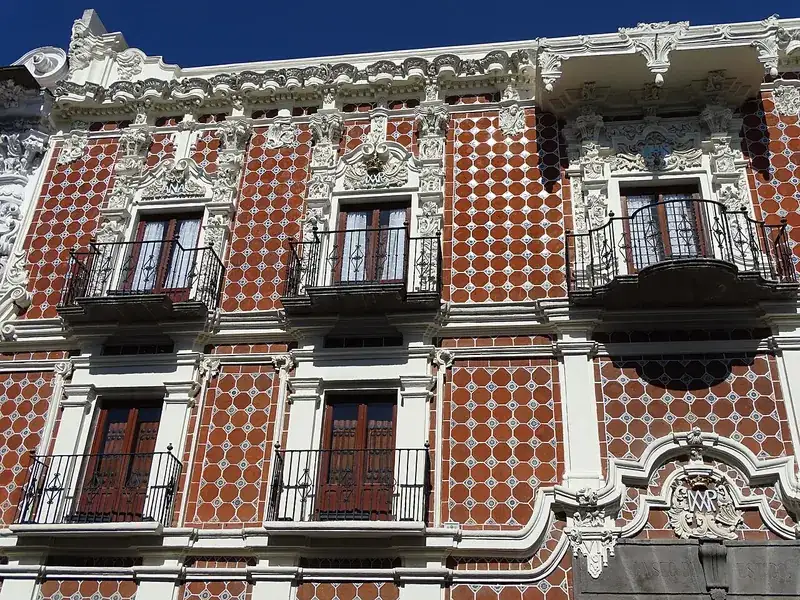
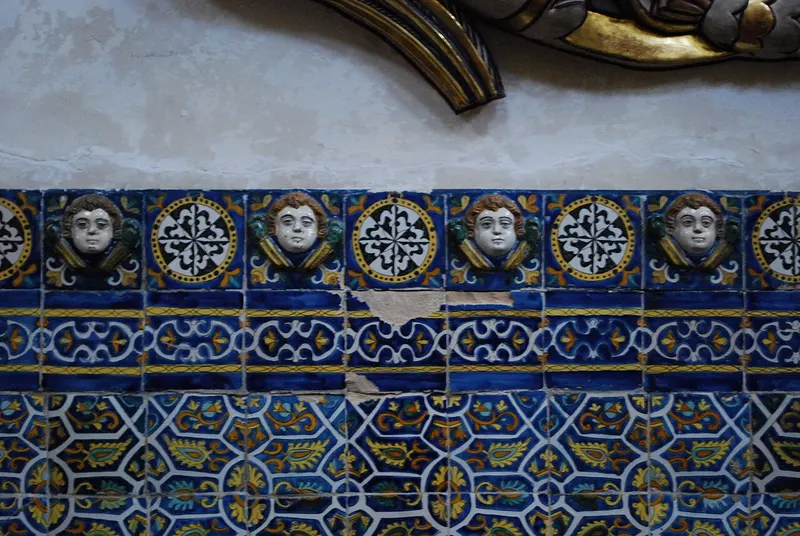
Wikipedia describes Mexican Talavera as a pottery tradition from Puebla and Tlaxcala with heritage from the Talavera de la Reina pottery of Spain. It is a tin-glazed earthenware with a white base glaze, and much of it is decorated in blue, though yellow, black, green, orange and mauve are also used. In 2019 both the Mexican and Spanish traditions were added to UNESCO's list of intangible cultural heritage.
Many tiles sold as "Talavera" today are Talavera-style: painted Mexican tile made in that tradition, not necessarily from Puebla or Tlaxcala. Ask the seller what you are buying. Both can look beautiful; the price and consistency differ.
Because it is earthenware, Talavera is softer than porcelain. That shapes where it works best.
Best places for Talavera
Kitchen backsplashes are a natural fit, especially behind a range or a sink where you want a focal point. A full Talavera backsplash is bold; a band of painted tiles in a field of plain white is easier to live with.
In bathrooms, use it where it stays mostly dry or sees light splashing:
- a vanity backsplash
- a mirror surround
- the back of a shower niche
- a border at chair height
Floors and high-wear spots are better served by tougher tile.
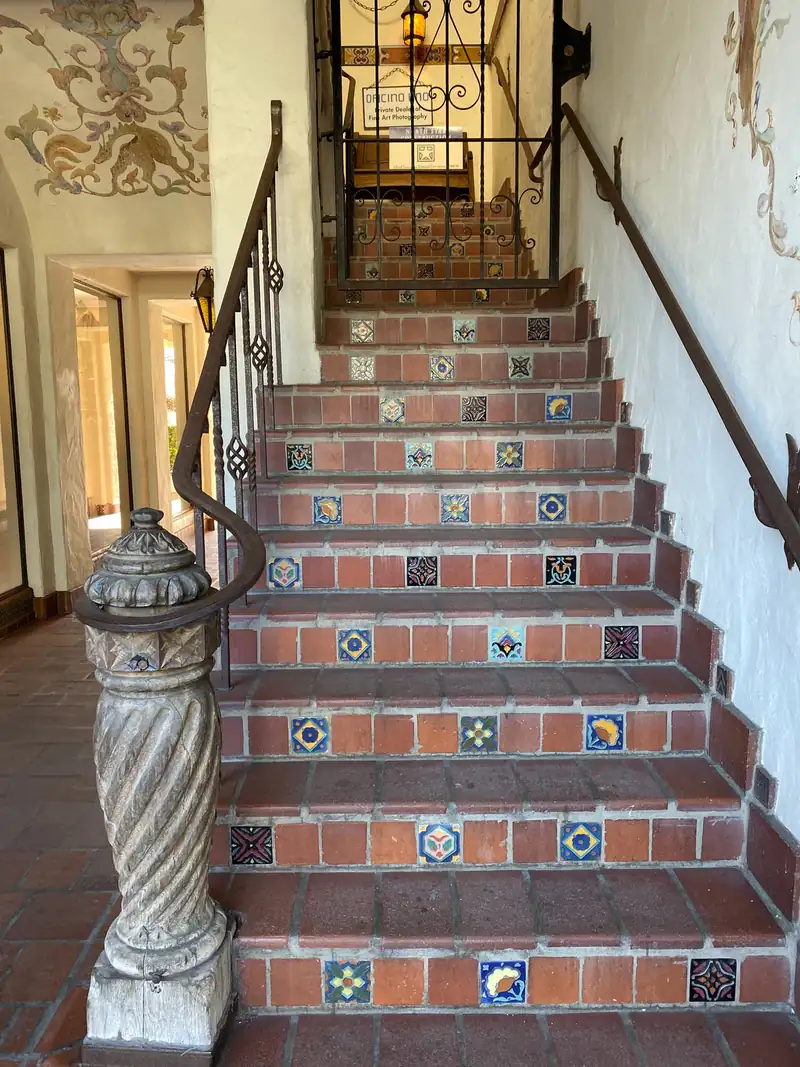
Stair risers are another classic use. Painted risers turn a plain staircase into a feature, and the vertical face sees little wear.
Look-alikes and mixing
Porcelain and ceramic tiles printed with Talavera-style patterns are tougher and more uniform. They suit floors and wet areas where real earthenware would struggle.

You can mix both: real painted tile in the spots people see up close, and a printed porcelain where durability matters more. Matching the color of the white background helps them sit together.
Designing with painted tile
Pick one star. If the backsplash is Talavera, keep the counter, cabinets and floor calmer. Warm white quartz, plain shaker cabinets and a simple floor let the pattern shine.
Blue-and-white Talavera pairs well with white cabinets and brass hardware for a fresh look. Multi-color patterns with yellow and orange suit terracotta floors and wood cabinets. Sage or olive cabinets work with blue-dominant tile; deep teal works with yellow-dominant tile.

For floors that complement painted wall tile, see the Saltillo tile page and the cement tile floor page.
Talavera and the valley
Many older houses around the San Gabriel Valley have Spanish-style details, and painted tile fits them naturally. Our city pages for San Gabriel kitchens, Alhambra bathrooms and Monterey Park bathrooms describe local house styles and how Talavera can fit.
In a mid-century or postwar house, a smaller dose often looks better: a few tiles behind a bar sink, a painted niche back, or a framed set of tiles as art.

Installation details
Handmade tiles vary in size and thickness. We lay them out dry first, plan grout joints wide enough to absorb the variation, and set them so faces line up.
Painted glazes can be scratched by gritty grout or harsh tools, so we take care during grouting and cleanup. Some tiles benefit from a sealer on the grout lines; we follow the maker's directions.
Care
Clean with mild soap and water. Avoid abrasive pads and acidic cleaners that can dull the glaze. Wipe up hard-water spots in bathrooms so they do not build up.
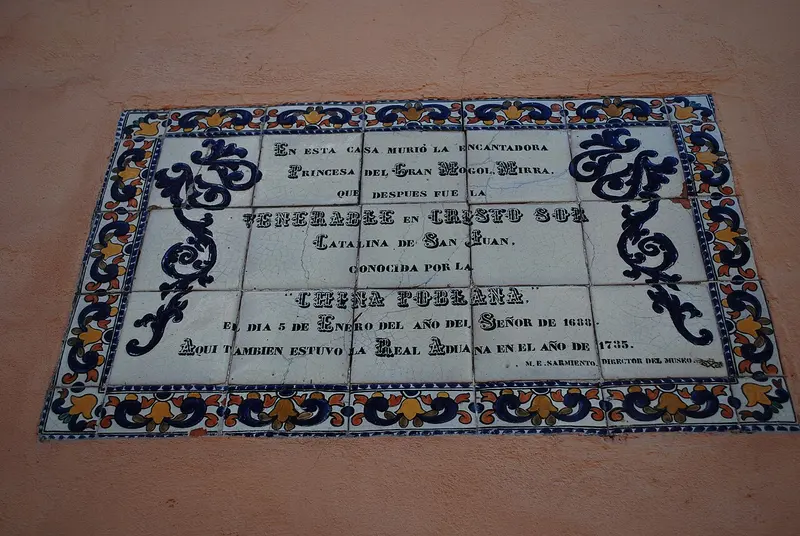

A cracked painted tile can usually be replaced individually, so buy a few extras and keep them stored. Patterns can be discontinued.
Getting started
Bring photos of tiles you love to a free estimate. We will talk through where they work best. See bathroom remodeling, kitchen remodeling or the bathroom tile guide.
Ideas beyond the backsplash
Painted tiles can frame a fireplace, edge a window sill, line a garden step or decorate a kitchen island end panel. In a bathroom, a single row behind the faucet or a painted tile inset into a plain wall feels personal without overwhelming the room.
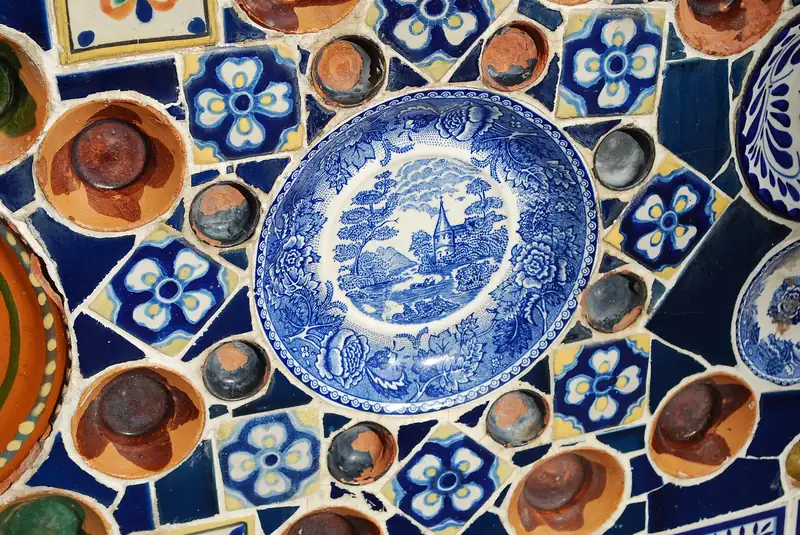

Some owners collect individual tiles over years and set them as a mixed patchwork. Laid out with a consistent grout color and spacing, a patchwork looks curated rather than random.
House numbers made of painted tile are another small way to tie the outside of a Spanish-style home to a painted-tile kitchen or bath inside.
Buying tips
Order from one batch when possible, since painted colors shift between firings. Open several boxes before installation to check for damage and to mix the tiles so color variation spreads evenly.
Ask whether the tiles are rated for walls only or for counters too. Some painted tiles are decorative and not meant for surfaces that take knocks from pots.
Mixing old and new tile
If your house already has vintage painted tile somewhere, bring a photo. Matching the blue or yellow of an original piece helps a new kitchen or bath feel like it belongs to the same home rather than a separate project.
Common search: Talavera vs Talavera-style
People often ask how to tell genuine Talavera from Talavera-style tile. The Mexican tradition is tied to Puebla and Tlaxcala, according to the Wikipedia article linked above. Talavera-style tiles may be made elsewhere with similar painted designs. Both can look beautiful; ask the seller for the origin before you buy.
Where the name comes from
According to the Wikipedia article on Talavera pottery, Mexico protects the name with a Denominación de Origen, so authentic Talavera is limited to certified workshops in set areas of Puebla and Tlaxcala that follow traditional methods. The same article notes that the Mexican tradition traces back to tile and pottery brought from Talavera de la Reina in Spain.
Wikipedia describes azulejos as Iberian painted tin-glazed tilework, and notes that azulejo is also the everyday Spanish word for any tile. That is why the same painted look shows up under several names in showrooms.
Our city pages for Talavera and Spanish tile installation cover how we set painted tile in local homes: Talavera tile in Alhambra, Talavera tile in Monterey Park, Talavera tile in Rosemead, Talavera tile in San Gabriel, Talavera tile in Temple City.
More materials and styles
- Sage, terracotta and deep blue cabinets
- Granite countertops
- Butcher block countertops
- LVP vs tile flooring
- Victorian tile
- Basketweave tile
- Mosaic tile
- Quarry tile
- Stacked stone
- Hexagon tile
- Terrazzo tile
- Herringbone tile
- Backsplash tile ideas
- Shower tile ideas
- Quartz countertops
- Spanish tile bathroom
- Saltillo tile
- Zellige tile backsplash
- Cement tile bathroom floor
- Terracotta tile floors
- Bathroom color trends
- Porcelain wood-look tile
- Subway tile vs handmade tile
- Porcelain vs ceramic tile
- LVP vs laminate flooring
- Semi-gloss vs satin paint
- MDF vs wood trim
- Natural stone and marble bathroom tile
- Grout types: cement, epoxy, urethane
Planning the whole room? Read our remodel guides, starting with how to choose bathroom tile.