
What Saltillo tile is
Wikipedia describes Saltillo as a type of terracotta tile that originates in Saltillo, Coahuila, Mexico. Saltillo-type tile is now made in many places in Mexico, and high-fire "Saltillo look" tiles, many from Italy, compete with the terracotta originals.
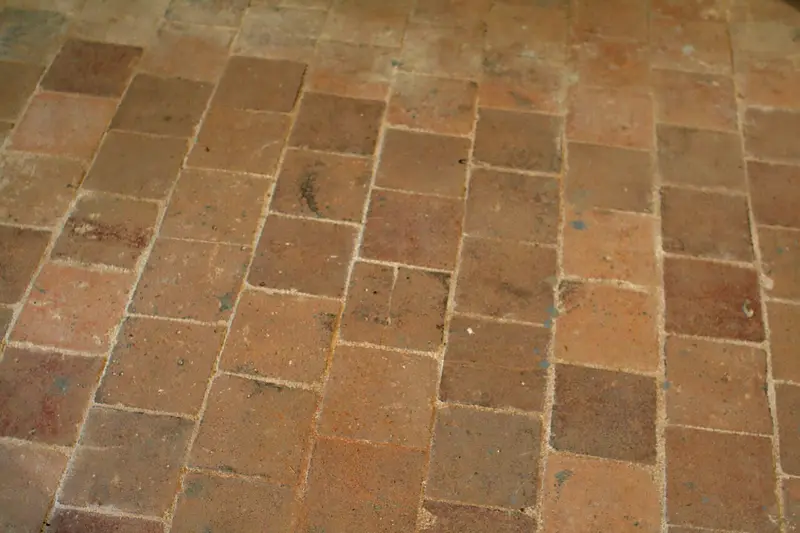
Real Saltillo is handmade and fired at lower temperatures. Each piece varies in color and shape, sometimes with marks from the drying process. That variation is the appeal, and also the reason it behaves differently from porcelain.
Real Saltillo vs Saltillo-look porcelain
Real clay tile is soft and porous. It needs sealing after installation and resealing over time, especially in kitchens and entries. Without a good seal it can stain and absorb water.
Porcelain Saltillo-look tile is dense and much less porous, so it is easier in bathrooms and showers. The best versions copy the color shifts and rounded edges of the original. Up close, real Saltillo still has more depth; from standing height, many visitors cannot tell.
Our usual advice: use real Saltillo in dry areas where you want the most character, and porcelain lookalikes on shower floors and wet zones. You can mix both in one house.
Where it works in SGV homes
Saltillo-style floors suit houses with Spanish revival or mission details, which many older valley homes have. Our pages for San Gabriel and Alhambra talk about that local style.
In a mid-century ranch, a Saltillo-look floor can warm up a plain room, especially paired with white walls and simple wood. In kitchens, it pairs well with cream or soft beige counters; see our quartz countertops page for ideas.
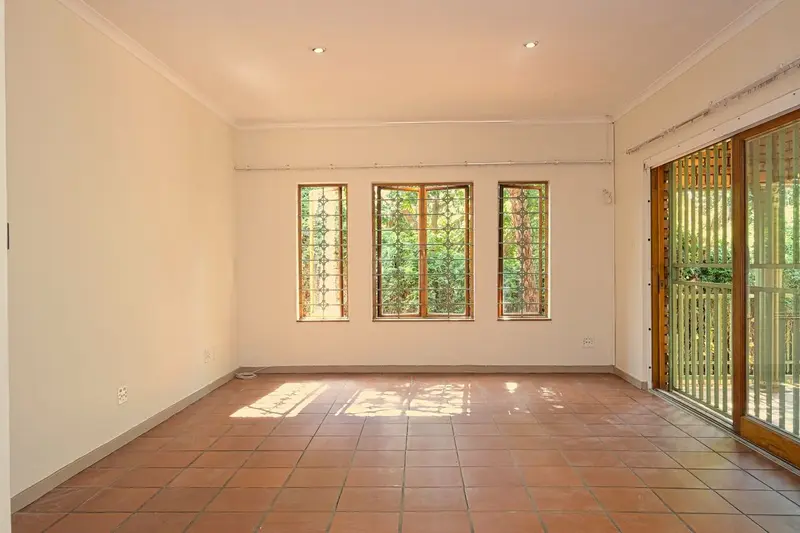
In a bathroom, consider it on the floor outside the shower with a matching porcelain version inside. Our Spanish tile bathroom page shows how Saltillo combines with painted and patterned tile.
Colors that go with it
Clay tones love green.
- Sage and olive cabinets or walls look natural against Saltillo.
- Deep blue and teal tile in a shower makes the orange glow.
- Off-white plaster-look paint keeps the room bright.
Grout color changes the feel. A warm sand grout blends in for a quieter floor; a lighter grout outlines each tile for a more traditional look. We show both with samples.

Installation and care
Saltillo needs a flat, solid base, wide grout joints that suit its uneven edges, and sealing before and after grouting so grout does not stain the clay. We follow the maker's directions for the tile you choose.
Clean with pH-neutral cleaners and reseal as needed. For general tile choices, the bathroom tile guide covers slip resistance and sizes, and the shower pan guide covers what goes under a shower floor.
Ready to talk about a floor or a bathroom? See bathroom remodeling, flooring, or our service areas.

Signs it is the right floor for you
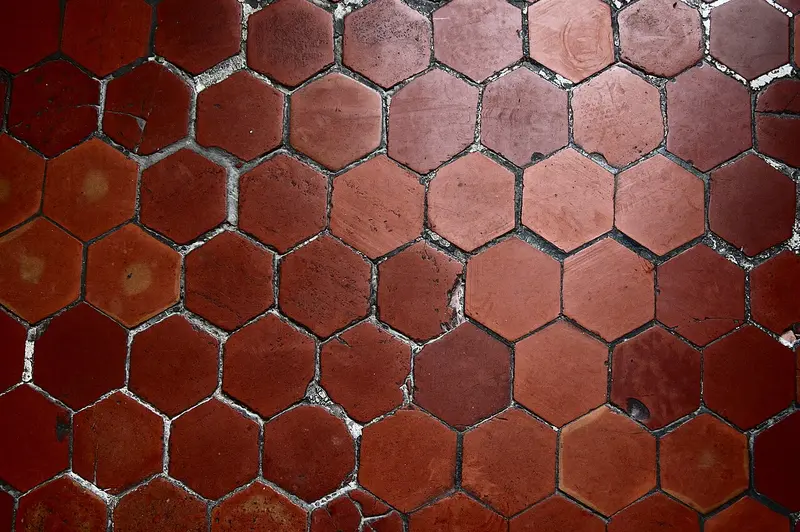
You like a floor that changes with the light and shows its handmade character. Real Saltillo varies from tile to tile, and that variation is the point.
You are fine with some upkeep. Resealing every so often keeps clay floors looking good. If you would rather never think about the floor, choose a porcelain look.
The rest of the house has warm or rustic notes: wood beams, plaster walls, arched openings, iron fixtures. Saltillo ties those together.
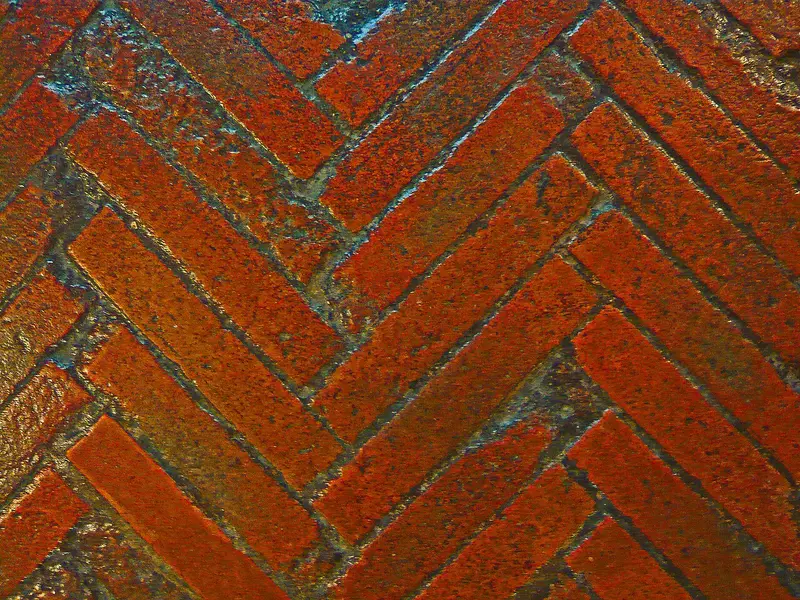

You want it to age gracefully. Clay floors wear in rather than wear out; small chips and patina tend to blend in rather than stand out.
Saltillo in kitchens and entries
Kitchens get spills, dropped pans and lots of foot traffic. A well-sealed Saltillo floor handles that, but sealing matters even more here than in a bedroom or hall. Some owners choose a porcelain look in the kitchen and keep real clay in the living areas.
Entries and hallways are a classic spot for real Saltillo. It connects indoors and outdoors and sets the tone as soon as someone walks in. Pairing an entry floor with a matching porcelain look in the bathroom keeps the whole house consistent.
Common questions at the estimate
People often ask whether they can install Saltillo over an existing floor. Usually old tile or vinyl needs to come up so the new floor sits on a flat, solid base. We look at what is there and explain the options before quoting.
Another frequent question is about color. Real Saltillo ranges from pale peach to deep rust. Sealers can deepen the color or keep it close to natural; we show sealed and unsealed samples side by side so you can choose.
Finally, owners ask about pets. Clay floors hold up to dogs and cats fine when sealed; scratches tend to blend into the natural texture.
Mixing Saltillo with other materials
Saltillo plays well with white plaster, dark wood and wrought iron. It also works beside modern pieces: a flat-panel vanity in olive green or a frameless glass shower can look fresh on a clay floor.
One more tip
Keep a few spare tiles after installation, since handmade clay batches vary.
Updating an existing Saltillo floor
If your house already has Saltillo that looks tired, it may not need replacing. Stripping old sealer, cleaning the grout and resealing can bring back the color. Badly cracked or loose tiles can be replaced individually with salvaged or close-match pieces. We look at the floor and tell you whether refresh or replacement makes more sense.
More materials and styles
- Sage, terracotta and deep blue cabinets
- Granite countertops
- Butcher block countertops
- LVP vs tile flooring
- Victorian tile
- Basketweave tile
- Mosaic tile
- Quarry tile
- Stacked stone
- Hexagon tile
- Terrazzo tile
- Herringbone tile
- Backsplash tile ideas
- Shower tile ideas
- Quartz countertops
- Spanish tile bathroom
- Zellige tile backsplash
- Talavera tile
- Cement tile bathroom floor
- Terracotta tile floors
- Bathroom color trends
- Porcelain wood-look tile
- Subway tile vs handmade tile
- Porcelain vs ceramic tile
- LVP vs laminate flooring
- Semi-gloss vs satin paint
- MDF vs wood trim
- Natural stone and marble bathroom tile
- Grout types: cement, epoxy, urethane
Planning the whole room? Read our remodel guides, starting with how to choose bathroom tile.