
Trim basics
Wikipedia describes molding as a strip of material with a shaped profile that covers transitions between surfaces or adds decoration. It is traditionally milled wood or plaster, the article says, but may also be plastic or reformed wood.
Wikipedia's baseboard article says baseboard is usually wood, MDF or vinyl, and covers the joint between wall and floor while protecting the wall from kicks and furniture.
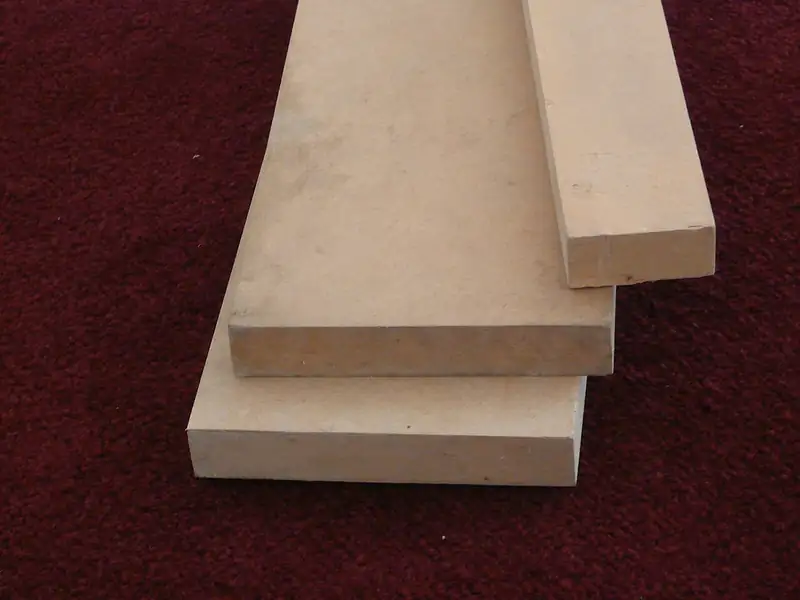

What MDF is
Wikipedia describes MDF (medium-density fibreboard) as an engineered wood product: wood fibers combined with wax and a resin binder, pressed into panels under heat and pressure. It is generally denser than plywood and stronger than particle board, per the article.
MDF trim is milled from that board, usually sold pre-primed and ready to paint.
Wood trim
Solid wood trim is milled from boards of pine, poplar, oak and other species. Paint-grade wood such as finger-jointed pine or poplar is meant to be painted; stain-grade wood like oak shows its grain under a clear or stained finish.
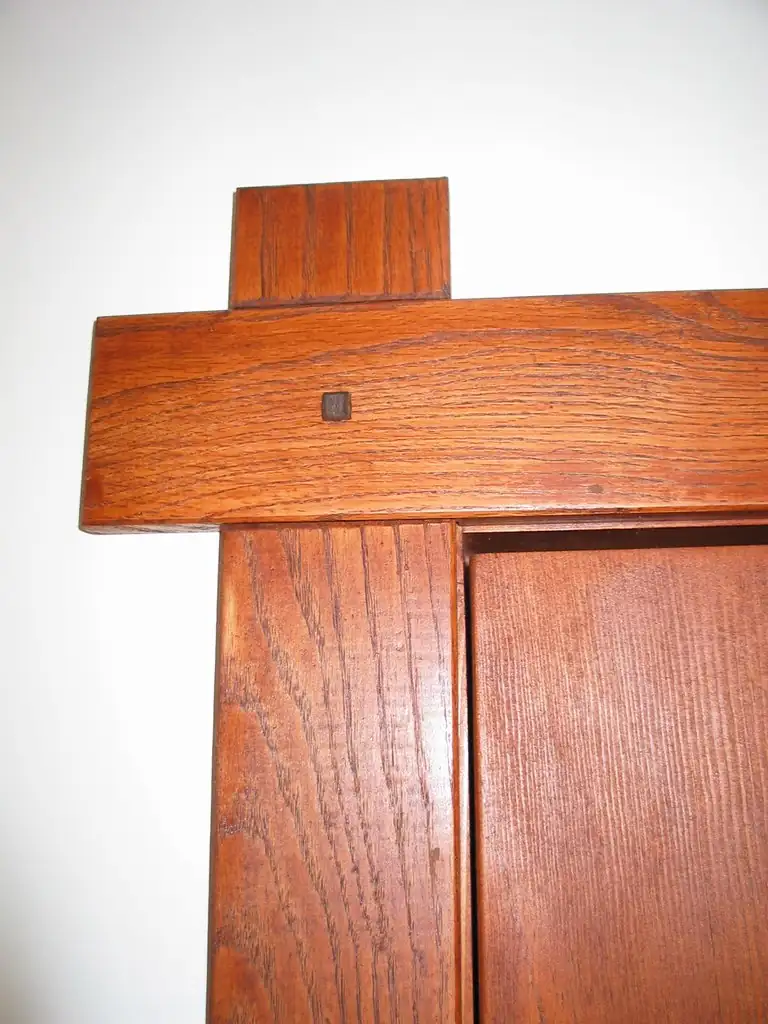
Stained wood is the one look MDF cannot copy: MDF has no grain, so it is always painted.
Moisture
This is the biggest difference. Plain MDF can swell at cut edges and nail holes if it gets wet, and swollen MDF usually does not return to shape.
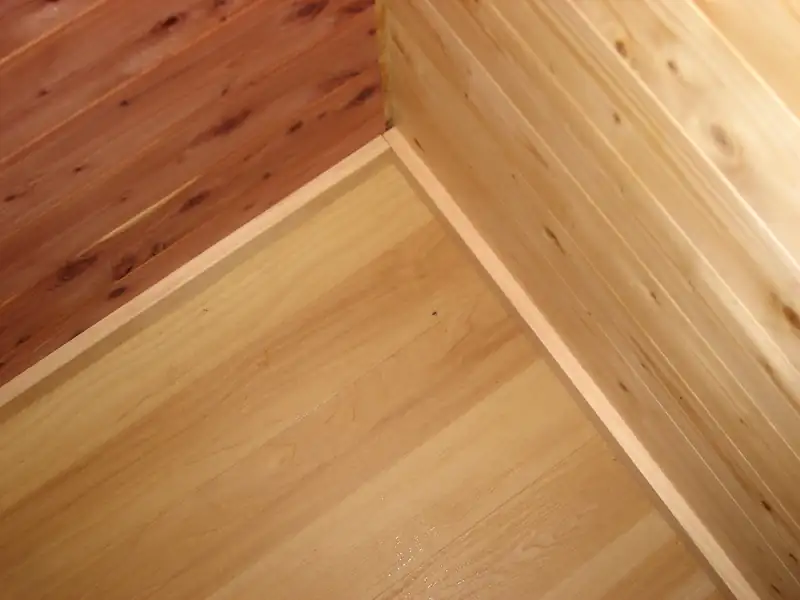
Wikipedia notes moisture-resistant MDF exists and is often green. For bathrooms, laundry rooms and baseboards near entries, many people choose wood, PVC or moisture-resistant MDF, and seal every cut edge with primer and paint.
Painted finish
MDF has a smooth, even surface with no grain or knots, so it paints to a very uniform finish. Profiles stay crisp and do not show grain raise.
Wood can show grain through paint and knots can bleed, so it needs a good primer. Many people still prefer wood for its feel and for older homes with original trim.
Working with each
MDF cuts cleanly and is very straight, which helps long runs of baseboard and crown. It is heavy and creates fine dust when cut, so dust control and masks matter.
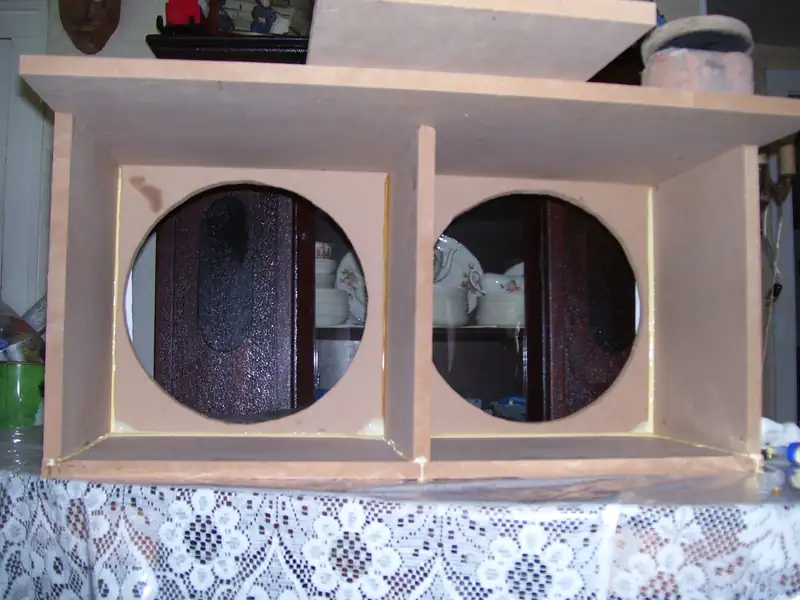

Wikipedia notes MDF is typically made with a urea-formaldehyde resin. If indoor air is a concern, look for low-emission products.
Wood can twist or bow, so boards are sorted and long pieces may need more fastening. It holds nails and screws well.
Mixing materials
Many homes mix: MDF crown and casings in dry rooms, wood or PVC base in wet rooms, all painted the same color so no one can tell. Paint and caulk make the joins disappear.
For sheen choices on trim, see the semi-gloss vs satin paint page.
Room by room
Where MDF often fits:
- living rooms
- bedrooms
- halls
- crown molding and wainscoting panels in dry rooms
Where wood or moisture-resistant trim often fits: bathrooms, laundry rooms, kitchens near sinks, entries, and anywhere you want stained trim.
Profiles and sizes
Both materials come in the common profiles: flat or square-edge base, colonial and ranch casing, cove and sprung crown. Taller baseboard and wider casing tend to read as more traditional.
Wikipedia explains that a sprung molding has beveled back edges so it can sit between two surfaces at an angle, such as a wall and ceiling. That is the usual form for crown molding in either material.
In older homes, existing wood trim may have a profile no longer stocked. Matching it can mean custom milling or a close stock profile, and that applies to both MDF and wood.
Dents and durability
Solid hardwood trim tends to resist dents better and can be sanded and refinished. Softwoods like pine dent more easily.
MDF edges can crush or chip on a hard hit, and repairs are usually filler and paint. Fine in most rooms; less ideal behind doors and in busy halls without care.
Finish and caulk
Either way, the finish makes the trim. Fill nail holes, caulk the seams to the wall, prime any bare edges and use a durable trim paint. On MDF, sealing every cut edge is the step that most affects how it holds up.
Trim pages by city
See baseboard installation in Alhambra, crown molding in San Gabriel, wainscoting in Monterey Park, door and trim painting in Temple City and crown molding in Rosemead.
More materials and styles
- Sage, terracotta and deep blue cabinets
- Granite countertops
- Butcher block countertops
- LVP vs tile flooring
- Victorian tile
- Basketweave tile
- Mosaic tile
- Quarry tile
- Stacked stone
- Hexagon tile
- Terrazzo tile
- Herringbone tile
- Backsplash tile ideas
- Shower tile ideas
- Quartz countertops
- Spanish tile bathroom
- Saltillo tile
- Zellige tile backsplash
- Talavera tile
- Cement tile bathroom floor
- Terracotta tile floors
- Bathroom color trends
- Porcelain wood-look tile
- Subway tile vs handmade tile
- Porcelain vs ceramic tile
- LVP vs laminate flooring
- Semi-gloss vs satin paint
- Natural stone and marble bathroom tile
- Grout types: cement, epoxy, urethane
Planning the whole room? Read our remodel guides, starting with how to choose bathroom tile.