
Where subway tile got its name
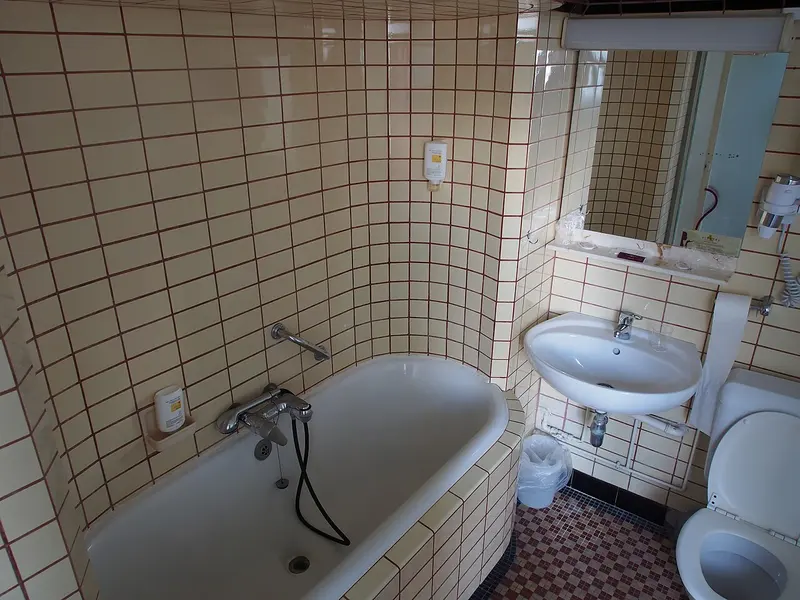
The name is commonly linked to the New York City subway. Wikipedia's article on New York City Subway tiles notes that much of the stations' ceramic work was in place when the subway opened on October 27, 1904, and that its designers knew which materials would stand up to heavy-duty cleaning and scrubbing.
That practical origin is still the appeal: a glazed rectangular tile, usually white, that is easy to clean and goes with almost anything. In homes, subway tile became a staple of kitchens and bathrooms, and it remains one of the most popular wall tiles.
Handmade tile traditions
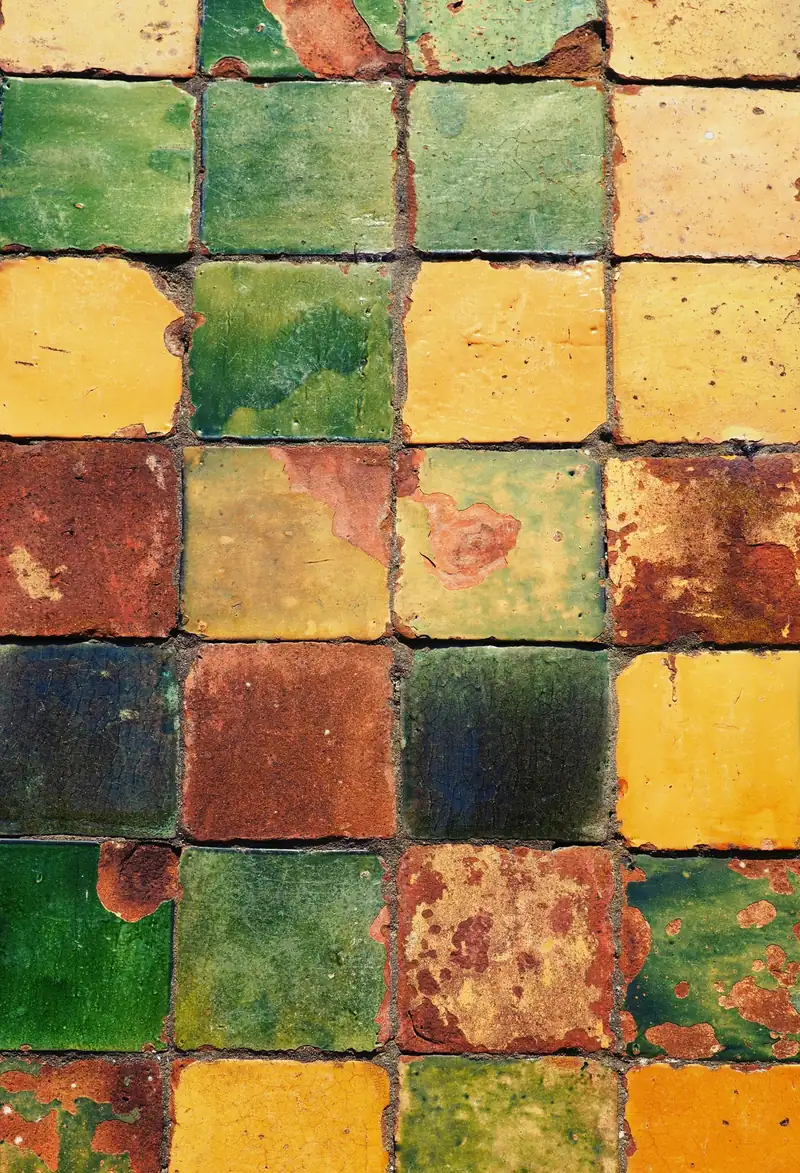
Handmade tile has a much longer history. Zellige from North Africa and al-Andalus, painted Talavera from Mexico and Spain, and unglazed Saltillo clay all depend on handwork, which leaves variation in shape, thickness and glaze.
In the San Gabriel Valley, some older homes have Spanish-style details where handmade tile fits naturally. In simpler postwar houses, either option can work, depending on whether you want crisp or soft.
How they look on the wall
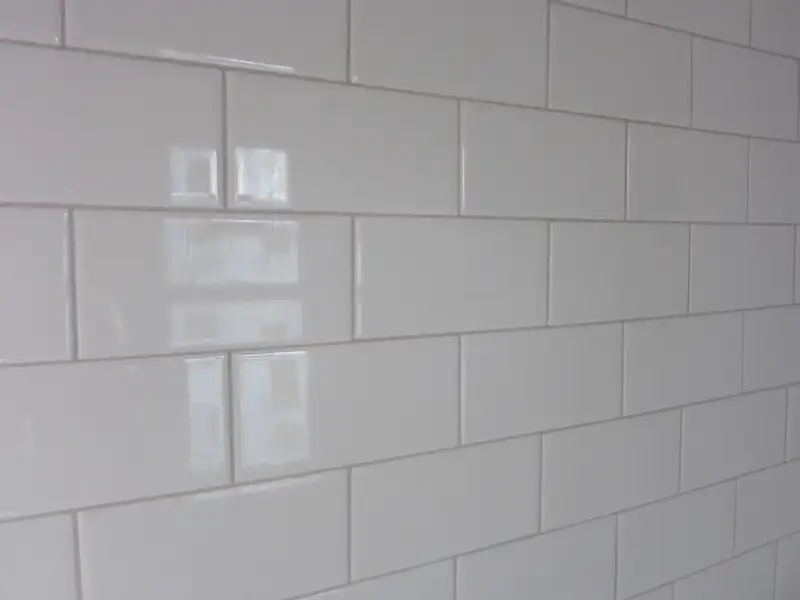
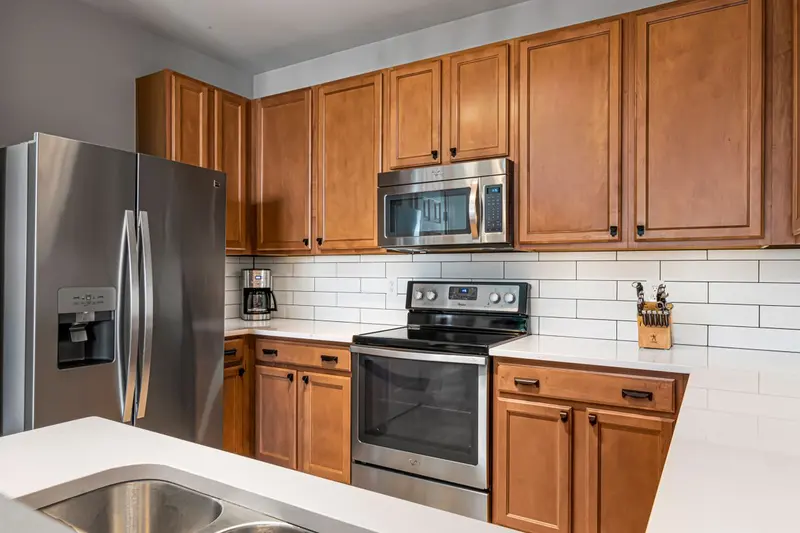
Subway tile is uniform: straight edges, consistent size and a flat, even glaze. The wall reads as clean and orderly. Its look depends heavily on layout and grout color.
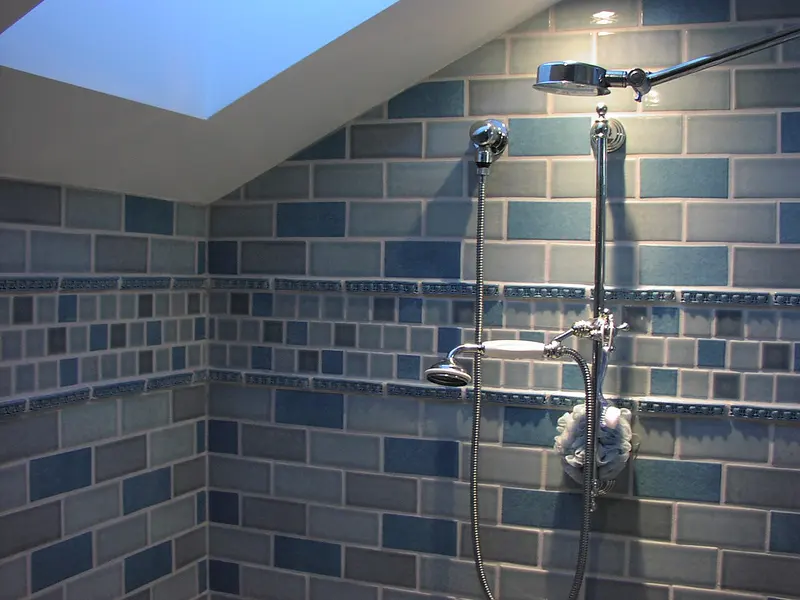
Handmade tile is varied: wavy surfaces, slightly irregular edges and color shifts from piece to piece. The wall catches light and looks alive, especially with glossy glazes.
A middle option is machine-made "handmade-look" tile, which copies some of the surface variation while keeping more consistent sizing.
Patterns for subway tile
Subway tile works in many patterns. Common ones:
- running bond (each row offset by half a tile)
- a third offset
- straight stack
- vertical stack
- herringbone and chevron

Wikipedia's tile article lists herringbone, staggered, offset, grid, stacked, basket weave and chevron among common tile patterns. Running bond is the classic subway look; a straight stack reads more modern; a vertical stack draws the eye up and can make a low ceiling feel taller.
Herringbone and chevron take more cuts and careful centering, so many people save them for a backsplash panel, a niche or a single feature wall. Long, slim tiles often look best with a smaller offset, since a half offset can show slight bowing at the tile edges.
Handmade tile usually looks best in simple layouts, a grid or running bond, so the surface variation is the star rather than the pattern.
Installation differences
Subway tile installs quickly. Even edges make tight, straight grout lines easy, and cuts are predictable. It forgives most walls as long as they are reasonably flat.
Handmade tile takes longer. Pieces need sorting and blending, edges need careful spacing, and some boxes include unusable pieces. Expect more waste and more time per square foot.
Neither is better; they just need different planning. We factor the difference into the quote. Laying a few rows of either tile on the floor first shows how the wall will look.
Grout choices
With white subway tile, white grout gives a seamless, quiet wall; gray or charcoal grout outlines each tile for a graphic look that hides stains better.
With handmade tile, grout that matches the glaze lets the wall shimmer as one surface. Contrasting grout highlights irregular edges, which some people love and others find busy.
Care over the years
Glazed subway tile is about as easy as tile gets: wipe it down with mild soap and water. The grout is the part that needs attention.
Handmade tile is also easy to clean when glazed, but uneven surfaces can hold a little more grime behind a cooktop. Unglazed handmade tile needs sealing.
Trends: color and finish
Both types now come in the colors that are popular right now: sage and olive, terracotta and burnt orange, deep blue and teal. A colored subway tile gives a modern take on a classic; a colored handmade tile gives depth.
Our color trends page has palette ideas that apply to both. Treat them as suggestions, not rules.

How to decide
Pick subway if you want a timeless, crisp wall, a faster install, or plan to add personality with color elsewhere. Pick handmade if the wall itself should be the feature and you enjoy visible craft.
You can also mix: subway tile on most of a shower and handmade tile in the niche or behind the vanity. See our Rosemead tub-to-shower page and San Gabriel kitchen page for how these fit local projects, or the bathroom tile guide.
Shower walls vs backsplash
In a shower, the tile is only the face; the waterproofing behind it keeps water out of the wall. Glazed subway tile is a long-time shower favorite because its smooth face sheds water and wipes clean. Handmade tile can go in a shower too, but its uneven edges mean wider grout joints, and more grout to keep clean.
On a kitchen backsplash, splashes are lighter and the wall is usually smaller, so handmade or patterned tile is easier to justify. Plan the layout around outlets, the window and the end of the counter, and decide where the tile stops before you buy.
Mix and match is common: subway tile on shower walls with a handmade accent in the niche, or a handmade backsplash in a kitchen with plain walls elsewhere.
See shower remodels in Alhambra, walk-in showers in Monterey Park, backsplash installation in Temple City and the porcelain vs ceramic tile page.
Common search: is subway tile outdated?
Subway tile has stayed popular for over a century because it is simple and adaptable. Fresh layouts like a vertical stack, a colored glaze, or a longer, slimmer format keep it looking current.
Sizes and formats
Classic subway tile is a small rectangle, but today it comes in many lengths and widths. Longer, slimmer formats look more contemporary; small formats feel traditional.
Edge style matters too. Beveled subway tile adds shadow lines and a vintage feel; flat-edged tile looks cleaner and more modern.
Handmade tile also comes in squares, rectangles and shaped pieces. Small squares show off surface variation; long rectangles laid horizontally can look like a handmade take on subway tile, a popular blend of both looks.
Budget thinking
Subway tile is usually the more budget-friendly choice in both material and labor. If handmade tile is the dream but the budget is tight, use it only on one wall, a niche or a backsplash and pair it with subway tile elsewhere. The handmade section becomes the focal point and the rest of the room stays calm.
Lighting the wall
Under-cabinet lights and wall sconces wash across tile and change how it reads. Handmade glazes come alive under raking light; flat subway tile looks crisp and even. Plan light placement with the tile choice.
More materials and styles
- Sage, terracotta and deep blue cabinets
- Granite countertops
- Butcher block countertops
- LVP vs tile flooring
- Victorian tile
- Basketweave tile
- Mosaic tile
- Quarry tile
- Stacked stone
- Hexagon tile
- Terrazzo tile
- Herringbone tile
- Backsplash tile ideas
- Shower tile ideas
- Quartz countertops
- Spanish tile bathroom
- Saltillo tile
- Zellige tile backsplash
- Talavera tile
- Cement tile bathroom floor
- Terracotta tile floors
- Bathroom color trends
- Porcelain wood-look tile
- Porcelain vs ceramic tile
- LVP vs laminate flooring
- Semi-gloss vs satin paint
- MDF vs wood trim
- Natural stone and marble bathroom tile
- Grout types: cement, epoxy, urethane
Planning the whole room? Read our remodel guides, starting with how to choose bathroom tile.