
What LVP is
LVP is a vinyl floor made as planks. Wikipedia's sheet vinyl article describes vinyl flooring as coming in large sheets, in stiff tiles, or as vinyl planks in interlocking strips. The planks are built in layers: a vinyl core, a printed image layer and a clear wear layer on top.
Vinyl flooring in general, the same article says, is widely used because it is water-impervious, fairly durable, resilient and easy to install. Wikipedia's vinyl composition tile article adds that some vinyl tiles closely copy wood, stone and concrete.
What laminate is
Wikipedia describes laminate as a multi-layer synthetic floor fused by lamination. It copies wood or stone with a photographic layer under a clear protective layer, over a core usually made of melamine resin and fiberboard. A European standard, EN 13329, sets its requirements and tests.
So the key difference is the core: plastic in LVP, wood fiber in laminate. Most of what follows comes from that.
Water
LVP: the vinyl itself is generally unaffected by water, which is why it is common in kitchens, laundry rooms and bathrooms. Seams and edges still matter, and water that gets under any floor can cause problems below it.
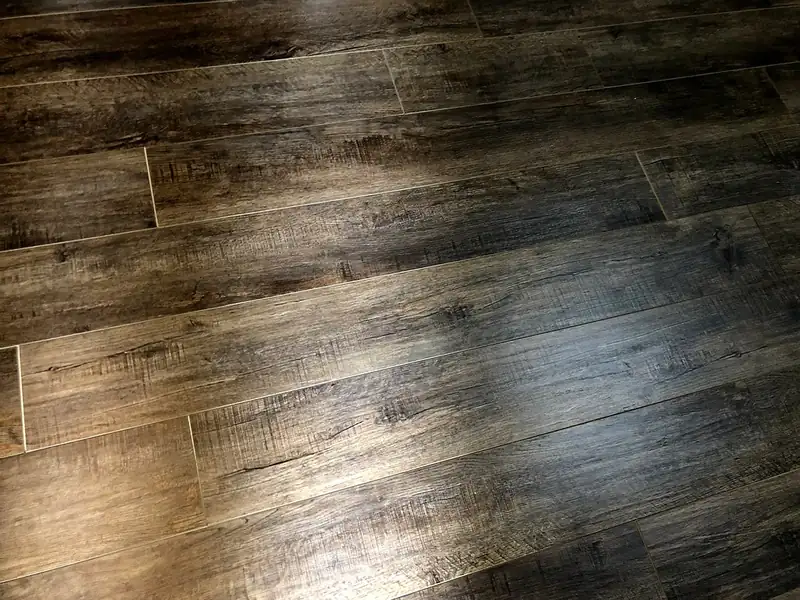
Laminate: the fiberboard core can swell if water soaks in at seams or edges. Many newer laminates have water-resistant cores and coatings, so check the maker's rating for the room you have in mind.
Scratches and wear
Laminate's top layer is hard, and it generally resists scratches well, which makes it a common pick for homes with pets and busy hallways.
LVP is softer. Its wear layer protects the print, and thicker wear layers generally hold up longer. Heavy furniture can dent vinyl, so felt pads help.
Look and feel
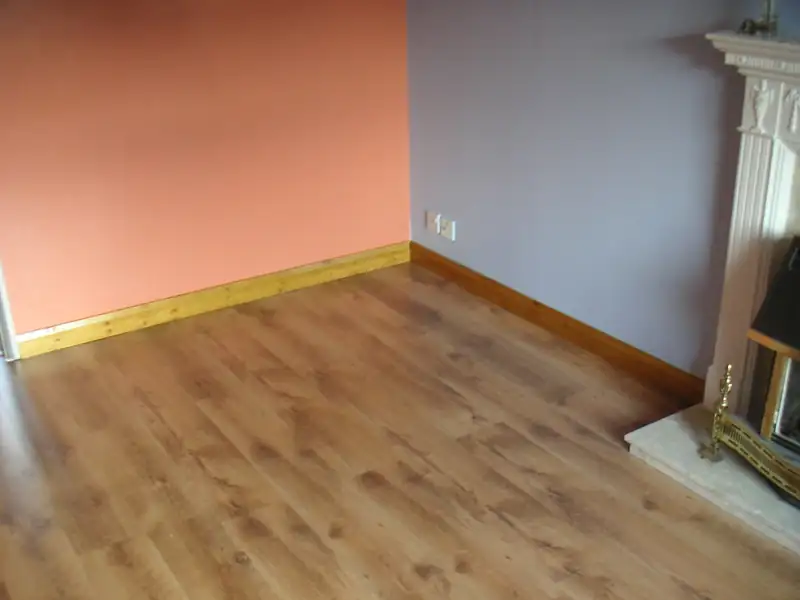
Both use printed images, and both come with textures that follow the grain. Laminate is often a little more convincing up close because its harder surface takes crisp embossing.
Underfoot, LVP feels softer and a little warmer. Laminate feels firmer and can sound hollow unless it has a good underlayment.
Sound and comfort
Wikipedia notes that laminate usually floats over a foam or film underlayment that helps with moisture and sound. Many LVP planks come with an attached pad.
For upstairs rooms and condos, ask about sound ratings and any building rules before you choose.
Installation basics
Both are usually floating floors: the planks click together and are not glued to the subfloor. Wikipedia notes laminate needs a small gap at walls and fixed objects so it can expand, covered by baseboard or shoe molding.
Both need a flat subfloor. LVP is thin and flexible, so it can show bumps from below; laminate is stiffer but can flex at dips. Some vinyl products are glue-down instead of click-lock.

Trim finishes the edges; see baseboard installation in Rosemead.
Room by room
Rooms where LVP is the usual pick:
- kitchens
- bathrooms
- laundry rooms and entries
Laminate tends to suit bedrooms, living rooms, halls and offices, where scratches matter more than splashes. Many homes run one continuous floor through every room and choose LVP for it so the wet rooms are covered too.
For tile that also looks like wood, see the porcelain wood-look tile page and porcelain vs ceramic tile.
Thickness and layers
Plank thickness and the top layer are what most spec sheets compare. For LVP, the clear wear layer is the part that takes foot traffic, and a thicker one generally lasts longer. Some LVP has a rigid core that bridges small dips better than thin flexible vinyl.
For laminate, the overall plank thickness affects stiffness and sound, and an abrasion rating describes how the top layer holds up. Compare those numbers between products rather than relying on the look of a sample.
Care
Both clean with a vacuum or a dry or damp mop. Avoid soaking either floor. Laminate does not like standing water at seams; vinyl can stain from rubber-backed mats.
Neither can be sanded or refinished like hardwood. A damaged plank is usually replaced, so keep a few spare planks from the same batch.
Things people ask about
Wikipedia notes environmental concerns around vinyl in manufacturing, use and disposal, and that low-VOC certifications exist. If indoor air matters to you, look for certified products and ventilate after install.
Neither material is right for every room. The best choice depends on water, traffic, sound and how the floor will feel to you.
Flooring pages by city
For installation in your area, see LVP flooring in Alhambra, San Gabriel, flooring installation in Temple City, Monterey Park and tile floors in Rosemead.
More materials and styles
- Sage, terracotta and deep blue cabinets
- Granite countertops
- Butcher block countertops
- LVP vs tile flooring
- Victorian tile
- Basketweave tile
- Mosaic tile
- Quarry tile
- Stacked stone
- Hexagon tile
- Terrazzo tile
- Herringbone tile
- Backsplash tile ideas
- Shower tile ideas
- Quartz countertops
- Spanish tile bathroom
- Saltillo tile
- Zellige tile backsplash
- Talavera tile
- Cement tile bathroom floor
- Terracotta tile floors
- Bathroom color trends
- Porcelain wood-look tile
- Subway tile vs handmade tile
- Porcelain vs ceramic tile
- Semi-gloss vs satin paint
- MDF vs wood trim
- Natural stone and marble bathroom tile
- Grout types: cement, epoxy, urethane
Planning the whole room? Read our remodel guides, starting with how to choose bathroom tile.