
Local homes
Rosemead became a city in 1959 (Wikipedia), and many homes here are single-story houses with long, open walls. Long walls show every joint in the baseboard, so the way the trim is cut and joined matters.
We plan joints before we cut the first board.
Sunny rooms
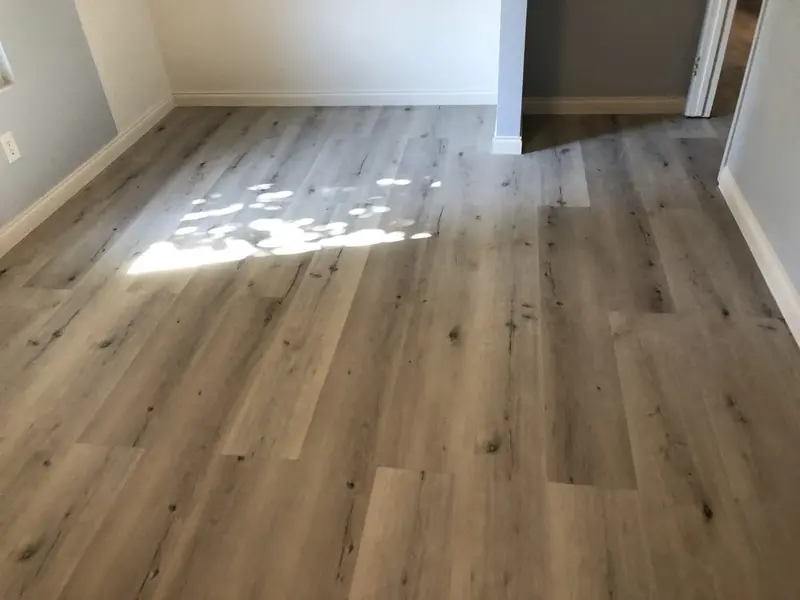
The first photo shows sunlight on a floor edged with white baseboard on one of our jobs. Low, raking sun shows every gap and wave along the bottom of a wall.
That is why we fasten into studs, keep joints tight and caulk the top edge.
Joints and corners
How we join trim:
- coped joints at inside corners
- mitered and glued joints at outside corners
- angled scarf joints on long walls and returns where the baseboard ends without hitting another piece
Each type keeps the trim looking continuous.
Stairs
Stairs need a skirt board or baseboard that follows the angle of the stairs and meets the flat baseboard at the top and bottom. Those transitions are some of the trickiest cuts in trim work.
We measure each one and cut to fit.
Outlets and vents
Baseboard sometimes runs into floor vents or low outlets. We cut around them neatly or adjust the trim so covers sit flat.
Where a vent sits in the baseboard itself, we cut a clean opening for the grille.
Coping
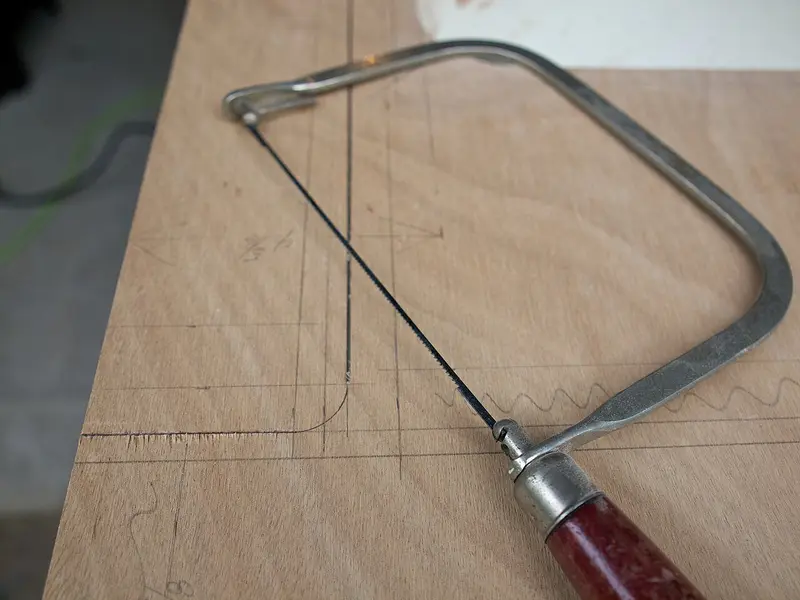
The third photo shows a coping saw, the hand tool used to cut the shape of a baseboard profile into the end of a board. A coped inside corner fits over the other board like a puzzle piece. A mitered inside corner, by contrast, can open into a visible gap if the wood shrinks.
Coped joints stay closed when walls are not square, which is common in older homes.
Picking a style
For most Rosemead homes, a simple profile with a rounded or slightly beveled top looks right. Taller trim suits larger rooms. A common rule of thumb is to keep baseboard in proportion with the ceiling height and the door casing.
We bring samples so you can hold them up in your own rooms.
Paint-ready
We fill holes, caulk joints and the top edge and leave the trim ready for paint. See our interior painting page for Rosemead if you want us to paint as well.
White semi-gloss is the most common choice and easy to clean.
Getting ready
Move furniture away from walls where we will work, take down anything hanging low on the walls and keep pets in another room.
We cut outside or in the garage where we can, and clean up each time we leave.
With other work
Baseboard goes well with new floors or fresh paint. See our flooring page for Rosemead for floors.
Since we are local, we can come by and look at your trim.
Fireplaces
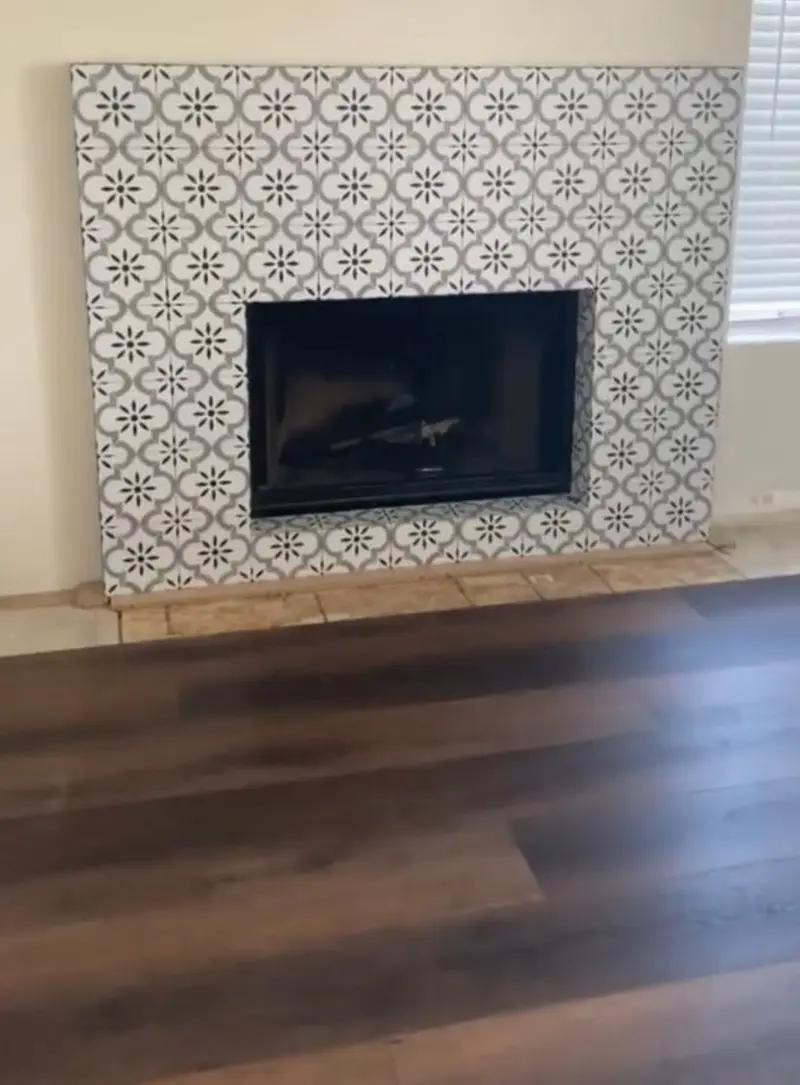
The second photo shows a tiled fireplace with new flooring and trim on one of our jobs. Where baseboard meets a hearth or fireplace surround, we stop it with a clean return or butt it to the stone or tile.
The gap is caulked so the line looks deliberate.
Measuring a room
Before we cut, we measure every wall and mark each stud. We list inside and outside corners, doors, openings and anything the trim must meet, like a hearth or cabinet. That list tells us how many boards we need and where joints should fall, so the longest walls get one piece where possible.
Good layout is most of the work in trim; the cutting follows from it.
Caulk versus wood filler
Nail holes get wood filler, which sands flat and takes paint like the board. The top edge and corner joints get flexible caulk, which can move a little as the house shifts through the seasons. Using the right product in each place keeps cracks from showing up later.
We leave both sanded and ready for the final coats of paint.
Ceilings and crown
Some owners ask about crown molding when they change baseboard. Matching the style of baseboard and crown gives a room a finished look from top to bottom. We can talk through crown options once the baseboard plan is set.
Many rooms look complete with new baseboard alone.
Cost
Cost depends on the length, the profile, corners, stairs and old trim removal. We give you a written quote.
How long it takes depends on the job.
Related pages
- Bathroom remodel in Rosemead
- Kitchen remodel in Rosemead
- Tub-to-shower conversion in Rosemead
- Shower remodel in Rosemead
- Kitchen cabinet replacement in Rosemead
- Flooring installation in Rosemead
- Countertop replacement in Rosemead
- Backsplash installation in Rosemead
- Interior painting in Rosemead
- Leaking shower pan repair in Rosemead
- Powder room remodel in Rosemead
- Bathtub replacement in Rosemead
- Bathroom tile installation in Rosemead
- Tile floor installation in Rosemead
- Grout repair in Rosemead
- Kitchen sink and faucet replacement in Rosemead
- Drywall patching and repair in Rosemead
- Walk-in shower in Rosemead
- LVP flooring installation in Rosemead
- Toilet replacement in Rosemead
- Baseboard installation and replacement in Alhambra
- Baseboard installation and replacement in Monterey Park
- Baseboard installation and replacement in San Gabriel
- Baseboard installation and replacement in Temple City
- Shower and tub recaulking in Rosemead
- Interior door and trim painting in Rosemead
- Talavera and Spanish tile installation in Rosemead
- Wainscoting and accent walls in Rosemead
- Fireplace surround tile in Rosemead
- Crown molding installation in Rosemead
Materials and styles
- Sage, terracotta and deep blue cabinets
- Granite countertops
- Butcher block countertops
- LVP vs tile flooring
- Victorian tile
- Basketweave tile
- Mosaic tile
- Quarry tile
- Stacked stone
- Hexagon tile
- Terrazzo tile
- Herringbone tile
- Backsplash tile ideas
- Shower tile ideas
- Quartz countertops
- Spanish tile bathroom
- Saltillo tile
- Zellige tile backsplash
- Talavera tile
- Cement tile bathroom floor
- Terracotta tile floors
- Bathroom color trends
- Porcelain wood-look tile
- Subway tile vs handmade tile
- Porcelain vs ceramic tile
- LVP vs laminate flooring
- Semi-gloss vs satin paint
- MDF vs wood trim
- Natural stone and marble bathroom tile
- Grout types: cement, epoxy, urethane